
Cockatiels are charming and friendly pets. They can face health issues like any other animals.
Understanding common cockatiel diseases is crucial for bird owners. By knowing the signs and symptoms, you can keep your feathered friend healthy and happy. Cockatiels, with their playful nature and striking crests, bring joy to many homes. But, like all pets, they can get sick.
Recognizing potential health problems early can make a big difference. This guide will help you identify common diseases in cockatiels. You’ll learn about symptoms and prevention methods. This knowledge will empower you to take better care of your beloved pet. Stay informed and ensure your cockatiel lives a long, healthy life.

Credit: researchgate
Introduction To Cockatiel Health
Understanding cockatiel health is essential for any bird owner. Cockatiels are vibrant, social birds that need proper care to thrive. Maintaining their health involves regular checkups, recognizing signs of good health, and addressing any issues promptly.
Importance Of Regular Checkups
Regular veterinary checkups are crucial for your cockatiel’s well-being. These visits help detect potential health problems early. Early detection increases the chance of successful treatment. A vet can also provide valuable advice on diet and care. This ensures your cockatiel stays healthy and happy.
Signs Of A Healthy Cockatiel
A healthy cockatiel shows several signs of good health. Bright, clear eyes indicate a healthy bird. Smooth, shiny feathers are another good sign. Your cockatiel should also have a strong appetite. Regular, normal droppings are a sign of good digestive health. Active and playful behavior indicates a happy, healthy bird.
Credit: veterinarypartner
Respiratory Infections
Respiratory infections are common in cockatiels. These infections can cause serious health issues. Prompt action is essential to ensure the well-being of your pet bird. Respiratory infections can stem from bacteria, viruses, or fungi. Understanding the symptoms and treatment options will help you act swiftly.
Symptoms To Watch For
Look for signs such as sneezing and nasal discharge. Your cockatiel may also show labored breathing. Listen for wheezing or clicking sounds while breathing. Reduced activity and appetite can also indicate a problem. Observe the bird’s feathers. Fluffed-up feathers might signal discomfort or illness.
Treatment Options
Consult a veterinarian for a proper diagnosis. They may prescribe antibiotics if bacteria are the cause. Ensure your cockatiel has a clean, warm environment. This helps support recovery. Humidifiers can help ease breathing difficulties. Provide a balanced diet rich in vitamins. This boosts the immune system. Follow the vet’s instructions closely for the best results.
Psittacosis (parrot Fever)
Psittacosis, also known as Parrot Fever, is a contagious disease. It affects cockatiels and other birds. This disease is caused by the bacteria Chlamydia psittaci. It can also spread to humans, making it a zoonotic disease. Understanding this illness is vital for cockatiel owners.
Causes And Symptoms
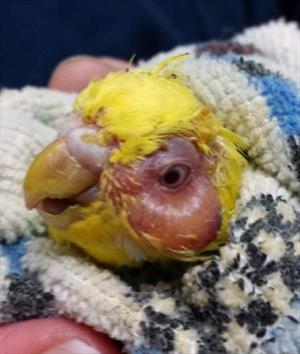
Psittacosis spreads through inhalation of bacteria from bird droppings. It can also spread from secretions of infected birds. Symptoms in cockatiels may include difficulty breathing, lethargy, and weight loss. You may notice nasal discharge or swollen eyes. Some birds might show no symptoms but still carry the disease. Early detection is crucial for treatment.
Preventive Measures
Keep your bird’s cage clean to prevent Psittacosis. Remove droppings and food waste daily. Ensure proper ventilation in the bird’s living area. Regular vet check-ups can help detect early signs of infection. Quarantine new birds before introducing them to your cockatiel. This step helps prevent the spread of bacteria.
Proper hygiene is essential for both birds and humans. Wash hands after handling birds or cleaning cages. Use protective gear like gloves and masks while cleaning. Educate yourself and others about the risks and symptoms of Psittacosis. Awareness can lead to early detection and treatment.
Feather Plucking
Feather plucking is a common problem in cockatiels. It occurs when a bird pulls out its own feathers, leading to bald spots and skin irritation. This behavior can be distressing for both the bird and its owner. Understanding the causes and solutions can help manage and prevent this issue.
Common Causes
There are several reasons why a cockatiel might pluck its feathers. These can be divided into behavioral and medical causes.
- Stress: Changes in the environment or routine can stress cockatiels. This can lead to feather plucking.
- Boredom: Lack of stimulation or interaction can cause a bird to pluck its feathers.
- Diet: Poor nutrition can affect feather health, leading to plucking.
- Parasites: Mites or lice can cause itching and discomfort.
- Infections: Bacterial or fungal infections can irritate the skin.
Behavioral And Medical Solutions
Addressing feather plucking requires a combination of behavioral and medical approaches.
| Solution | Description |
|---|---|
| Provide Toys | Offer a variety of toys to keep your cockatiel engaged. |
| Social Interaction | Spend time with your bird to reduce loneliness and boredom. |
| Balanced Diet | Ensure a diet rich in vitamins and minerals to support feather health. |
| Veterinary Check-up | Consult a vet to rule out infections or parasites. |
| Environmental Changes | Create a stress-free environment by maintaining a consistent routine. |
By understanding the causes and implementing these solutions, you can help your cockatiel lead a healthier, happier life. Addressing feather plucking early can prevent long-term damage and improve your bird’s well-being.
Gastrointestinal Issues
Gastrointestinal issues in cockatiels are quite common. These problems can cause discomfort and health risks for your bird. Understanding the signs and making the right dietary adjustments can help prevent and manage these issues.
Signs Of Digestive Problems
Look for changes in your cockatiel’s droppings. Watery or discolored droppings indicate issues. Reduced appetite or weight loss is a sign of concern. Notice if your bird is regurgitating food. This can signal a digestive problem. A swollen or tender abdomen is another warning sign. Act quickly if you see any of these symptoms.
Dietary Adjustments
Introduce a balanced diet to maintain gut health. Offer a mix of seeds, pellets, and fresh fruits. Avoid giving your cockatiel fatty or sugary foods. Ensure they have access to clean, fresh water at all times. Probiotics can aid in digestion and boost gut health. Regularly clean their food and water dishes to prevent infections.

Credit: wikihow
Nutritional Deficiencies
Nutrition plays a crucial role in a cockatiel’s health. Nutritional deficiencies can lead to serious diseases and health issues. It’s essential to understand what nutrients your cockatiel needs.
Essential Nutrients
Cockatiels need a balanced diet to thrive. Key nutrients include vitamins, minerals, and proteins. Vitamin A, for example, supports vision and immune health. Calcium is vital for strong bones and egg production. A lack of these nutrients can cause significant health problems.
Proteins are also important for growth and repair. Cockatiels need a variety of foods to meet their protein needs. Seeds, fruits, and vegetables provide essential nutrients. A varied diet helps prevent deficiencies.
Supplementing The Diet
Sometimes, a diet may need supplements. Vitamin and mineral supplements can help. Consult a vet before adding supplements to ensure safety. Over-supplementing can be harmful. Provide fresh, clean water daily. Water is crucial for overall health.
Offer a mix of commercial pellets, fresh fruits, and veggies. Avoid feeding only seeds. Seeds lack many essential nutrients. A diverse diet helps keep your cockatiel healthy and happy.
Parasite Infestations
Cockatiels are wonderful pets, but they are prone to parasite infestations. These parasites can cause severe discomfort and health issues. Knowing how to spot and treat these parasites is crucial for your bird’s well-being.
Identifying External Parasites
External parasites are common in cockatiels. Some of the most frequent ones include mites and lice. Spotting these parasites early can prevent serious health problems.
| Parasite | Symptoms |
|---|---|
| Mites | Redness, itching, feather loss |
| Lice | Scratching, restlessness, visible small insects |
Check your bird regularly for signs of these parasites. Look for unusual behavior such as excessive scratching or feather plucking. Inspect their feathers and skin for any redness or small moving creatures.
Treatment And Prevention
Once you identify a parasite infestation, immediate treatment is necessary. Here are some steps to follow:
- Isolate the infected bird from other pets.
- Clean the cage thoroughly with hot water and bird-safe disinfectant.
- Consult a vet for proper medication. They may recommend anti-parasitic sprays or drops.
Preventing parasite infestations is easier than treating them. Follow these tips to keep your cockatiel healthy:
- Clean the cage regularly to remove any potential breeding grounds for parasites.
- Check your bird frequently for signs of parasites.
- Provide a balanced diet to boost your bird’s immune system.
- Avoid contact with wild birds that might carry parasites.
By staying vigilant and maintaining good hygiene, you can protect your cockatiel from these harmful parasites.
Preventive Health Tips
Keeping your cockatiel healthy is essential. Preventive care can save you from dealing with diseases. Following some simple tips can help you maintain your bird’s health.
Proper Hygiene Practices
Clean your cockatiel’s cage daily. Remove uneaten food and droppings. Use a mild disinfectant weekly. Wash food and water dishes with hot, soapy water. Rinse thoroughly to remove any soap residue. Clean your hands before and after handling your bird.
Keep your bird’s feathers clean. Offer regular baths or use a mist spray. Trim nails and beak if needed. Regularly check for mites and lice. Maintaining proper hygiene helps prevent infections.
Creating A Healthy Environment
Provide a spacious cage. Ensure good ventilation. Keep the cage in a draft-free area. Maintain a consistent temperature. Avoid sudden temperature changes. Use cage liners to catch droppings. Change the liners often.
Offer a balanced diet with seeds, pellets, fruits, and vegetables. Fresh water should always be available. Avoid feeding your cockatiel avocado, chocolate, caffeine, and alcohol. These can be toxic to birds.
Engage your cockatiel with toys and activities. Exercise helps maintain physical and mental health. Spend time interacting with your bird daily. A happy bird is a healthy bird.
Frequently Asked Questions
What Are Common Cockatiel Diseases?
Common cockatiel diseases include respiratory infections, Psittacosis, fatty liver disease, and feather plucking. Regular vet check-ups can help in early detection and treatment.
How Can I Prevent Cockatiel Diseases?
To prevent diseases, maintain a clean cage, provide a balanced diet, and ensure regular vet visits. Quarantine new birds before introducing them.
What Are The Symptoms Of A Sick Cockatiel?
Symptoms include lethargy, loss of appetite, ruffled feathers, and abnormal droppings. If these symptoms appear, consult a vet immediately.
Can Cockatiel Diseases Be Contagious?
Yes, some diseases like Psittacosis are contagious to humans and other birds. Isolate the affected bird and seek veterinary care.
Conclusion
Caring for a cockatiel involves watching for signs of illness. Regular check-ups can prevent many diseases. Keep their cage clean and provide a balanced diet. Healthy birds are active and social. If you notice unusual behavior, consult a vet. Early detection is key.
With proper care, your cockatiel can live a long, happy life. Always stay informed about common diseases. This ensures you can provide the best care. Your feathered friend deserves it.
Learn more on how to chose a healthy cockatiel here