
Yes, cockatiels can talk. They might not be as chatty as other parrots, but they can mimic words and sounds.
Their ability to talk depends on their personality and training. Cockatiels are fascinating birds with charming personalities. Many bird enthusiasts wonder if these adorable creatures can actually talk. While not all cockatiels will develop a vocabulary, some can learn to say a few words or phrases.
Training and interaction play significant roles in their talking ability. With patience and consistent practice, you might hear your cockatiel mimic speech or repeat sounds from their environment. Understanding their potential to talk can make owning a cockatiel even more enjoyable and rewarding. So, if you’re curious about their talking abilities, read on to discover what makes these birds unique.
Introduction To Cockatiels
Cockatiels are charming, small parrots known for their friendly nature and beautiful crests. They are popular pets worldwide due to their affectionate personalities and relatively easy care needs. Many bird enthusiasts wonder if these delightful birds can talk. Let’s explore this fascinating topic by starting with an introduction to cockatiels.
Brief History
Cockatiels originate from Australia, where they inhabit various environments. They were first discovered in the 18th century. These birds thrive in the wild, often found in flocks. They were introduced to the pet trade in the 1900s. Their popularity grew quickly due to their gentle nature.
Physical Characteristics
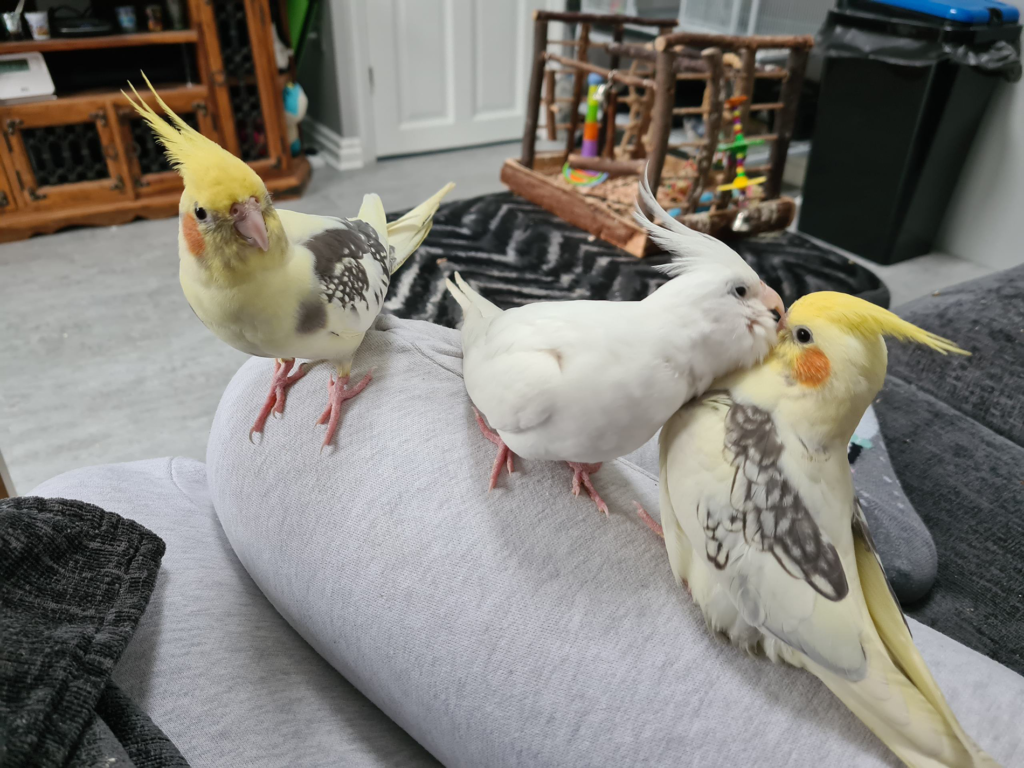
Cockatiels are small parrots with a distinctive crest on their heads. They have slender bodies and long tails. Adult cockatiels typically measure about 12 inches from beak to tail. Their plumage is usually grey, with white wing patches. Some cockatiels have yellow or orange markings on their faces.
Male and female cockatiels have slight differences in appearance. Males often display brighter facial colors. Females usually have barred markings under their tails. Both genders are equally charming and make wonderful pets.
Cockatiels’ Vocal Abilities
Cockatiels are charming birds known for their vocal abilities. They can produce a variety of sounds. These birds have a unique way of communicating. Let’s explore their vocal skills.
Natural Sounds
Cockatiels make several natural sounds. One common sound is the whistle. They often whistle to get attention or show happiness. Another sound is the chirp. Chirps can mean different things. Sometimes it shows contentment. Other times, it signals a need.
Cockatiels also squawk. A squawk can show alarm or discomfort. It’s a louder and harsher sound. Listen closely to understand what your bird is saying. Their natural sounds are varied and expressive.
Mimicking Skills
Some cockatiels can mimic sounds they hear. They can copy household noises. For example, doorbells and phone rings. They may also mimic whistled tunes. With patience, they can learn to imitate simple words.
Teaching a cockatiel to mimic takes time. Repetition is key. Use clear and consistent sounds. Reward them when they repeat the sound. This encourages them to keep trying. Their mimicry can be entertaining and delightful.
Why Cockatiels Mimic
Cockatiels are known for their ability to mimic sounds. This includes imitating human speech. But why do they do this? Understanding their reasons can help you better communicate with your feathered friend.
Communication Purpose
Cockatiels mimic sounds to communicate. In the wild, they use calls to talk to each other. Mimicking helps them bond with their flock. Your home becomes their new flock. They learn to mimic sounds they hear often. This can include words you say to them.
Impressing Humans
Cockatiels also mimic to impress their human companions. They enjoy the attention it brings. Mimicking human speech can be a way to get more interaction. They love it when you talk back to them. This reinforces their behavior, making them mimic more.
Credit: cockatielworld
Training Cockatiels To Talk
Training cockatiels to talk can be a fun and rewarding experience. These birds are intelligent and can mimic human speech. With patience and consistent practice, your cockatiel can learn to say a few words or phrases. Below are some effective techniques and common phrases to help you get started.
Effective Techniques
Consistency is key when training your cockatiel to talk. Spend time with your bird every day, repeating the same words and phrases. Here are some techniques that can help:
- Repetition: Repeat words or phrases clearly and consistently.
- Positive Reinforcement: Reward your cockatiel with treats or praise when it attempts to mimic words.
- Association: Use words in context, like saying “hello” when you enter the room.
- Recording: Play recordings of words or phrases you want your bird to learn.
Patience and persistence will yield the best results. Remember, each bird learns at its own pace.
Common Phrases
Start with simple words and phrases. Here are some common phrases that cockatiels can learn to say:
- “Hello”
- “Goodbye”
- “Pretty bird”
- “What’s up?”
- “I love you”
Use these phrases consistently. Over time, your cockatiel will start to mimic them. Keep sessions short to maintain your bird’s interest and focus.
Training a cockatiel to talk can be a delightful journey. Enjoy the process and celebrate the small victories!
Factors Influencing Mimicking
Many cockatiel owners are curious about their pet’s ability to mimic sounds. Several factors influence whether a cockatiel will talk or not. Understanding these factors can help in training and encouraging your feathered friend to start mimicking. This section explores the key elements that impact a cockatiel’s mimicking abilities.
Age And Gender
Both age and gender play significant roles in a cockatiel’s ability to talk. Younger cockatiels are more flexible learners. They can pick up sounds and words more easily. Typically, the best age to start training is between 3 to 6 months old. This is when they are most receptive.
Gender also matters. Male cockatiels are generally better mimickers than females. They are more vocal and tend to sing and whistle more often. Female cockatiels can mimic too, but they usually do so less frequently and with fewer sounds.
| Factor | Details |
|---|---|
| Age | 3-6 months is ideal for training |
| Gender | Males are more vocal and better mimickers |
Environment Impact
The environment significantly affects a cockatiel’s ability to mimic. A stimulating environment with regular interaction encourages talking. Here are some tips to create a conducive environment for your cockatiel:
- Daily Interaction: Spend time talking to your cockatiel every day.
- Repetition: Repeat words and phrases frequently.
- Positive Reinforcement: Use treats to reward mimicking attempts.
- Play Recorded Sounds: Play recordings of words and sounds you want them to mimic.
A quiet and stress-free environment helps too. Avoid loud noises and sudden disturbances. Ensure your cockatiel feels safe and comfortable.
Comparing Cockatiels To Other Birds
Are you curious about how cockatiels compare to other birds in terms of talking ability? This section will delve into the talking skills of cockatiels and how they stack up against other popular pet birds. We’ll explore the differences and similarities between cockatiels, parrots, and budgerigars.
Parrots
Parrots are known for their exceptional talking abilities. They can mimic human speech and sounds with remarkable accuracy. Species like African Grey Parrots and Amazon Parrots are famous for their extensive vocabularies.
In comparison, cockatiels have a more limited range. They can learn to say a few words and phrases, but they are not as proficient as larger parrots. While cockatiels may not have the vocabulary of a parrot, they can still be quite entertaining with their whistles and tunes.
Budgerigars
Budgerigars, also known as budgies, are another popular talking bird. They are smaller than both cockatiels and parrots but can still learn to mimic words and phrases. Budgies can develop a decent vocabulary and are known for their ability to speak clearly.
When comparing cockatiels to budgerigars, it’s important to note that both birds have similar talking abilities. Cockatiels might have a slight edge in mimicking sounds, while budgies excel in clarity of speech. Both types of birds can learn to communicate in their unique ways, making them delightful pets.
| Bird Type | Talking Ability | Vocabulary |
|---|---|---|
| Parrots | High | Extensive |
| Cockatiels | Moderate | Limited |
| Budgerigars | Moderate | Decent |
Challenges In Teaching Cockatiels
Teaching cockatiels to talk can be a rewarding experience. However, it comes with its own set of challenges. These challenges require dedication, patience, and consistency. Let’s explore some of the main challenges you might face.
Patience Required
Teaching a cockatiel to talk requires patience. These birds do not learn overnight. It can take weeks or even months for them to start mimicking words. It’s important to understand that each bird is different. Some learn faster than others.
Consistent practice is key. Spend a few minutes each day repeating words or phrases. Avoid getting frustrated if your bird doesn’t pick up words quickly. Your calm and patient demeanor will help your cockatiel feel comfortable and more likely to learn.
Consistency In Training
Consistency in training sessions is crucial. Set a daily routine for your bird. Repetition helps them learn and remember words. Use the same words and phrases each time.
Rewards and positive reinforcement play a big role. Use treats or affection to encourage your bird. Praise them when they attempt to mimic sounds.
It’s also helpful to involve other family members. Everyone should use the same words and phrases. This uniformity helps the cockatiel learn more effectively.
| Challenge | Solution |
|---|---|
| Patience Required | Be calm and repeat words daily |
| Consistency in Training | Set a routine and use rewards |

Credit: youtube
Benefits Of A Talking Cockatiel
Many bird enthusiasts wonder if cockatiels can talk. These charming birds can indeed mimic human speech. A talking cockatiel brings several benefits to its owner. These benefits go beyond mere novelty, adding depth to the pet-owner relationship.
Enhanced Bonding
A talking cockatiel can strengthen the bond between pet and owner. When a cockatiel learns to talk, it often mimics phrases it hears regularly. This means the bird is paying attention. It is interacting with its human companion. This interaction fosters a deeper connection. Owners feel more connected to their pets. They enjoy the back-and-forth communication. It makes the relationship special.
Entertainment Value
A talking cockatiel provides endless entertainment. These birds can mimic various sounds and phrases. Their ability to talk can bring joy and laughter. Imagine your bird greeting you in the morning. Or repeating a funny phrase it learned. This can brighten anyone’s day. The entertainment value of a talking cockatiel is significant. It keeps the environment lively. It also makes guests smile. A talking bird is a delightful addition to any home.

Credit: Reddit
Frequently Asked Questions
Can Cockatiels Learn To Talk?
Yes, cockatiels can learn to talk. They can mimic words and sounds. However, not all cockatiels will talk. Training and repetition help them learn.
How Many Words Can Cockatiels Say?
Cockatiels can learn to say a few words. Typically, they can mimic 10 to 15 words. They may also imitate household sounds.
How Do I Teach My Cockatiel To Talk?
Start by repeating simple words. Use a calm, clear voice. Reward your cockatiel with treats for attempts. Patience is key.
At What Age Do Cockatiels Start Talking?
Cockatiels usually start talking between 8 to 12 months old. However, some might take longer. Consistent training helps.
Conclusion
Cockatiels can talk, but not all do. Patience and training help. They imitate sounds they hear often. Whistling is more common for them. Enjoy their unique voices and personalities. Every cockatiel is special and different. Keep interacting and bonding with your bird.
Their charm goes beyond words.
Learn more on cockatiel’s eating banana here