
Cockatiels are charming and social birds. Yet, they can show some puzzling behaviors.
Understanding cockatiel behavior problems is key to a happy pet and owner relationship. These birds, with their unique traits, can sometimes develop habits that may seem odd or troublesome. From excessive noise to feather plucking, these issues can be frustrating.
But there are solutions. Knowing why they act out and how to address it can make a big difference. This blog post will guide you through common cockatiel behavior problems and offer practical solutions. With the right approach, you can ensure your feathered friend stays happy and healthy. Ready to learn more? Let’s dive in.
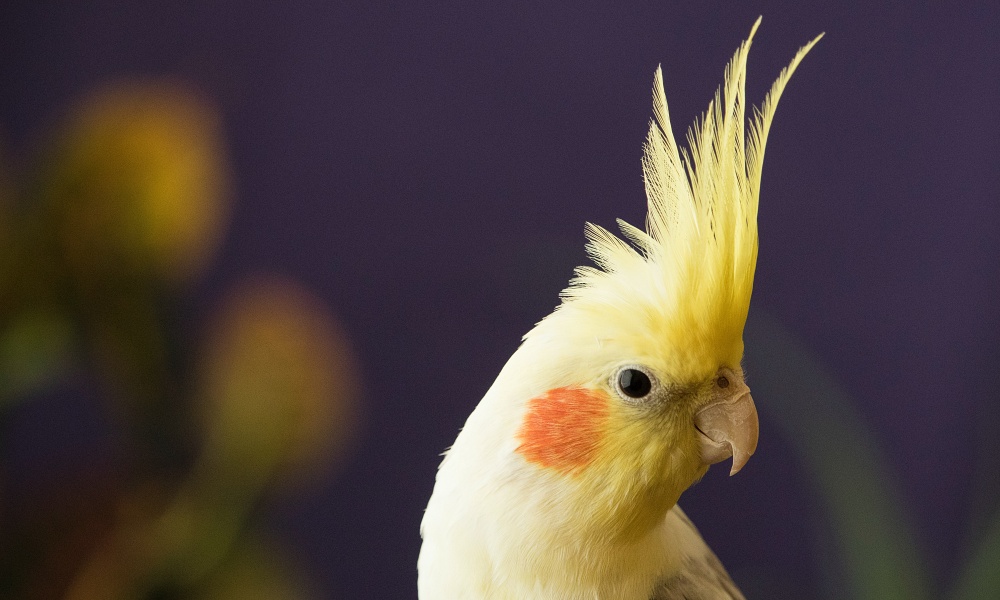
Credit: charlotteanimalhospital
Common Cockatiel Behavior Issues
Cockatiel behavior problems include biting, screaming, and feather plucking. Understanding triggers and providing solutions can improve their behavior. Patience is key.
Cockatiels are wonderful pets, but they can develop behavior problems. Knowing how to handle these issues helps keep your bird happy and healthy. Below are some common behavior problems and their solutions.
Aggression
Aggression in cockatiels can be troubling for owners. This behavior may include biting, hissing, or lunging. Cockatiels may become aggressive due to fear, territorial instincts, or lack of socialization.
To address aggression, start by identifying the cause. Spend more time interacting with your bird. Use positive reinforcement to reward calm behavior. Avoid punishing your cockatiel, as this can increase aggression. Instead, stay patient and consistent with your training.
Feather Plucking
Feather plucking is a serious issue for cockatiels. This behavior involves your bird pulling out its own feathers, leading to bald spots and potential skin damage. Stress, boredom, or health issues often cause feather plucking.
To stop feather plucking, ensure your cockatiel has a stimulating environment. Provide toys and opportunities for exercise. Check with a vet to rule out any medical problems. Reducing stress in your bird’s life is also key. Keep a regular routine and minimize loud noises or sudden changes.
By understanding these common behavior issues, you can better care for your cockatiel. With patience and the right approach, most problems can be resolved.
Understanding Cockatiel Communication
Cockatiels are social birds with a unique way of communicating. Understanding their signals can help address behavior problems. They use body language and vocalizations to express their feelings and needs.
Body Language
Cockatiels show many emotions through their body movements. Watch their crest. A raised crest can mean excitement or curiosity. A flat crest often means fear or aggression. Fluffed feathers can indicate relaxation or illness. Watch their wings too. Spread wings can signal a desire to fly or stretch. Tail movements also speak volumes. Quick tail wagging can show happiness. Slow tail movements might indicate distress.
Vocalizations
Cockatiels use sounds to communicate with their owners. Whistling usually means they are happy or trying to get your attention. Hissing is a clear sign they feel threatened or scared. Mimicking sounds can be a sign of their playful nature. If they are quiet for long periods, they might be unwell. Paying attention to these sounds can help you understand their needs better.
Causes Of Aggression In Cockatiels
Cockatiels are generally friendly birds, but they can show aggression. Understanding why is key to solving the problem. Let’s explore the main causes.
Territorial Behavior
Cockatiels can become aggressive due to territorial behavior. They may see their cage, toys, or even their favorite perch as their personal space. When someone intrudes, they might bite or hiss.
This behavior is natural. Birds in the wild protect their nests. To reduce this aggression, try to handle your cockatiel outside its cage. Let it come to you. This can help it feel less defensive.
Hormonal Changes
Hormonal changes can also cause aggression in cockatiels. This usually happens during breeding season. During this time, their hormones are high, and they might become more protective and aggressive.
To manage this, reduce the amount of daylight your bird receives. Cover the cage for 10-12 hours each night. This can help regulate their hormones. Also, avoid petting your bird’s back or tail. This can stimulate breeding behavior.
Dealing With Feather Plucking
Dealing with feather plucking in cockatiels can be challenging. Feather plucking is a common issue, but it can cause distress for both the bird and the owner. Understanding the root causes and addressing them can help prevent this behavior. Let’s explore some of the factors contributing to feather plucking and solutions to help your cockatiel.
Environmental Factors
The environment plays a huge role in your cockatiel’s behavior. Changes in their surroundings can lead to stress and feather plucking. Ensure your bird’s cage is in a quiet, calm area. Avoid placing the cage near loud noises or too much activity.
Provide your cockatiel with plenty of stimulation. Toys, perches, and interaction can keep them engaged. Boredom often leads to feather plucking. Rotate the toys regularly to keep your bird interested. A varied environment can prevent stress and unwanted behaviors.
Dietary Needs
A balanced diet is crucial for your cockatiel’s health. Poor nutrition can lead to feather plucking. Ensure your bird gets a mix of seeds, pellets, fruits, and vegetables. A varied diet can prevent nutritional deficiencies.
Monitor your cockatiel’s eating habits. Some birds can become picky eaters. This can lead to an unbalanced diet. Offer a variety of foods to ensure they get all the necessary nutrients. Proper nutrition supports healthy feathers and overall well-being.
Tips For Reducing Stress In Cockatiels
Stress can affect the health and happiness of your cockatiel. Reducing stress is crucial for their well-being. Here are some practical tips to help your feathered friend live a stress-free life.
Providing Enrichment
Enrichment activities keep your cockatiel engaged and mentally stimulated. A bored bird is a stressed bird. Provide a variety of toys that are safe and interesting. Rotate these toys regularly to maintain their interest.
- Chewing toys: These satisfy their natural urge to chew.
- Foraging toys: Hide treats inside to encourage their natural foraging behavior.
- Interactive toys: Toys that move or make noise can be very engaging.
Offer natural perches of different sizes and textures. This helps keep their feet healthy and prevents boredom. Allow your cockatiel to fly in a safe area. Flight is a natural and beneficial exercise.
Establishing A Routine
Routine is essential for cockatiels. Birds feel safer when they know what to expect. Keep feeding times consistent. This helps them feel secure and reduces anxiety.
- Morning routine: Feed your cockatiel and change their water.
- Daily playtime: Spend time interacting with your bird every day.
- Evening routine: Cover their cage to signal bedtime.
Try to minimize changes in their environment. Sudden changes can cause stress. If changes are necessary, introduce them gradually. Ensure your cockatiel gets enough sleep. Cockatiels need around 10-12 hours of sleep each night.
By following these tips, you can help reduce stress and create a happy, healthy environment for your cockatiel.
Creating A Positive Environment
Creating a positive environment for your cockatiel is crucial. It helps prevent behavior problems and ensures a happy, healthy pet. This involves proper cage setup, regular interaction, and socialization. By focusing on these areas, you can create a safe and engaging space for your feathered friend.
Cage Setup
A well-organized cage can reduce stress for your cockatiel. Place the cage in a quiet area, away from direct sunlight and drafts. Ensure the cage is spacious enough for your bird to move freely. Provide perches at different heights and angles to mimic a natural environment.
Include toys and swings to keep your cockatiel entertained. Rotate toys regularly to maintain interest. Ensure food and water dishes are easy to access and clean. Fresh water and a balanced diet are essential for your bird’s health.
Interaction And Socialization
Cockatiels are social birds. Regular interaction with you is important. Spend time talking, singing, or whistling to your bird. These activities help build trust and reduce loneliness.
Allow your cockatiel to spend time outside the cage. Supervised out-of-cage time provides exercise and mental stimulation. Encourage gentle handling and positive reinforcement. Treats and praise can reward good behavior.
Introduce your cockatiel to new experiences gradually. This helps prevent fear and anxiety. Socializing with other birds can also be beneficial. If possible, arrange playdates with other cockatiels. This helps your bird develop social skills.
Training Techniques For Cockatiels
Training your cockatiel can be both fun and rewarding. It helps strengthen the bond between you and your pet. Understanding your cockatiel’s behavior is key to effective training. Let’s explore some proven techniques to train your cockatiel.
Positive Reinforcement
Positive reinforcement is a powerful training tool. Reward your cockatiel for good behavior with treats or praise. This encourages them to repeat the desired behavior. Start with simple commands like “step up” or “come.” Use a favorite treat as a reward. Be consistent with your commands and rewards. Over time, your cockatiel will learn to associate good behavior with positive outcomes.
Patience is crucial. Training sessions should be short and frequent. A few minutes a day is enough. Avoid punishing your cockatiel. Negative reinforcement can lead to fear and aggression. Always focus on positive reinforcement for the best results.
Handling Aggression
Aggression in cockatiels can be challenging. Understanding the cause is the first step. Fear, territorial behavior, or lack of socialization can lead to aggression. Approach your cockatiel calmly and confidently. Avoid sudden movements or loud noises. These can trigger aggressive behavior.
If your cockatiel bites, don’t react with anger. Instead, gently but firmly say “no” and offer a toy or treat to distract them. Gradual socialization can help reduce aggression. Spend more time with your cockatiel. Offer treats and speak softly to build trust. Over time, your cockatiel will feel more comfortable and less aggressive.
When To Seek Professional Help
Dealing with cockatiel behavior problems can be challenging. It is important to know when these problems might require the help of a professional. Not all issues can be solved at home. Recognizing the signs that indicate a more serious problem is crucial. This section will guide you on when to seek professional help for your cockatiel.
Signs Of Serious Issues
Sometimes, cockatiels exhibit behaviors that indicate serious problems. Here are some signs to look out for:
- Excessive Screaming: Screaming all day long, not just in response to stimuli.
- Aggression: Biting frequently and with force, not just light nips.
- Feather Plucking: Pulling out feathers, leading to bald patches.
- Self-Mutilation: Chewing on their skin or body parts.
- Sudden Personality Changes: Becoming withdrawn or unusually aggressive.
If your cockatiel shows any of these signs, it’s time to get help.
Finding An Avian Vet
Finding a qualified avian vet is essential for your bird’s health. Follow these steps to locate a trusted professional:
- Ask for Recommendations: Talk to other bird owners or local bird clubs.
- Search Online: Use search engines to find avian vets near you.
- Check Reviews: Read online reviews to see others’ experiences.
- Verify Credentials: Ensure the vet is certified to treat birds.
- Visit the Clinic: Observe the clinic’s environment and ask questions.
Good care can prevent small issues from becoming big problems. Always seek professional advice when in doubt.

Credit: pamelaclarkonline
Frequently Asked Questions
Why Is My Cockatiel Screaming Constantly?
Cockatiels scream to get attention, express boredom, or signal discomfort. Ensure they have enough stimulation, toys, and social interaction. Check for potential stressors like loud noises or unfamiliar changes in their environment.
How Do I Stop My Cockatiel From Biting?
Cockatiels may bite due to fear, stress, or lack of training. Gently train them using positive reinforcement. Avoid sudden movements and ensure they feel secure. Building trust is essential for reducing biting behavior.
Why Does My Cockatiel Pluck Its Feathers?
Feather plucking can indicate stress, boredom, or health issues. Provide mental stimulation, toys, and a proper diet. Consult a vet to rule out medical problems and ensure your cockatiel’s environment is enriching.
How Can I Calm A Stressed Cockatiel?
To calm a stressed cockatiel, create a quiet, safe space. Offer gentle interaction, toys, and a consistent routine. Avoid loud noises and sudden changes. Patience and a calm demeanor help in easing their anxiety.
Conclusion
Understanding cockatiel behavior problems helps create a happier pet. Addressing issues early ensures a strong bond. Consistent training and patience are key. Pay attention to their needs. Provide a safe and stimulating environment. Always reward good behavior. Seek professional help if needed.
Your efforts will lead to a well-behaved cockatiel. Enjoy the journey with your feathered friend!
Learn more about Cockatiel illnesses and prevention tips here.