
Teaching a cockatiel tricks can be fun and rewarding. With patience, you can turn your bird into a little entertainer.
Cockatiels are smart and curious birds. They enjoy learning new things. Teaching them tricks can strengthen your bond. It also keeps them mentally stimulated. Start simple and use positive reinforcement. Your cockatiel will soon catch on. This guide will help you teach your cockatiel tricks.
From basic steps to advanced moves, you’ll find everything you need. Ready to get started? Let’s dive in!
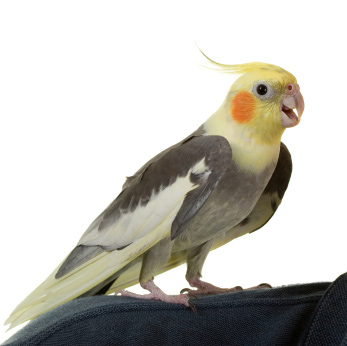
Credit: lafeber.com
Introduction To Cockatiel Training
Teaching a cockatiel tricks can be a fun and rewarding experience. It strengthens the bond between you and your feathered friend. Before starting, it’s essential to understand the basics of cockatiel training. This guide will help you get started.
Why Train Your Cockatiel
Training your cockatiel has many advantages. It helps in building trust between you and your pet. A trained cockatiel will be easier to handle. It will also make vet visits less stressful. Another reason is mental stimulation. Cockatiels are intelligent birds. They need mental challenges to stay happy and healthy. Teaching tricks can keep their minds active.
Benefits Of Training
Training offers many benefits for both you and your cockatiel. It can improve your bird’s behavior. A trained cockatiel is less likely to develop bad habits. Training sessions can also provide physical exercise. This helps in maintaining your bird’s health. Training also offers a chance for social interaction. It can help in reducing loneliness and boredom.
In summary, training your cockatiel can be a valuable experience. It provides mental stimulation, better behavior, and stronger bonding. Start with simple tricks and be patient. Your cockatiel will love the attention and care.
Preparing For Training
Training your cockatiel can be a fun and rewarding experience. Before starting, it’s important to prepare properly. This preparation sets the stage for a successful training session. Here are some steps to help you get ready.
Choosing A Training Space
Select a quiet area for training. It should be free from distractions. Cockatiels are easily startled by loud noises. Ensure the space is well-lit. This helps your bird see your gestures clearly. A familiar environment will make your cockatiel feel safe. Avoid areas with too much activity.
Gathering Necessary Supplies
Collect all needed supplies before you start. You will need treats to reward your cockatiel. Choose small, healthy treats that your bird loves. A clicker can be helpful for training. The sound signals a job well done. You may also need a perch for your bird to stand on. A toy or two can be good for breaks.
Building Trust With Your Cockatiel
Building trust with your cockatiel is the first step to teaching it tricks. A strong bond ensures your bird feels safe and willing to learn new behaviors. Let’s explore how to create this essential connection.
Creating A Bond
Spending quality time with your cockatiel is key to creating a bond. Start by simply being near its cage, letting it get used to your presence. Talk to your bird in a calm, soothing voice. Offer treats through the cage bars to build positive associations.
Once your bird is comfortable with you nearby, try gentle head scratches. Respect your bird’s comfort level and never force interaction. Trust takes time and patience.
Positive Reinforcement Techniques
Positive reinforcement is the best way to teach your cockatiel tricks. Use treats and praise to reward good behavior. For example, when your bird steps onto your hand, give it a small treat and say, “Good bird!”
- Use small, tasty treats like millet or sunflower seeds.
- Be consistent with your rewards.
- Keep training sessions short, around 10-15 minutes.
Avoid punishing your bird. Negative reinforcement can damage trust. Focus on rewarding the behaviors you want to see more of.
Basic Commands
Teaching your cockatiel basic commands is the foundation for more advanced tricks. It helps build a bond and establishes communication between you and your bird. Start with simple commands that are easy to learn and execute. Consistency and patience are key.
Step Up Command
The “Step Up” command is essential. It helps in handling your cockatiel safely. Follow these steps:
- Hold a perch or your finger near the bird’s chest.
- Say “Step Up” in a calm, clear voice.
- Gently press against the bird’s lower chest.
- Reward with a treat when the bird steps up.
Practice this command several times a day. Ensure you use the same tone and words each time. This helps the bird associate the action with the command.
Come Here Command
The “Come Here” command is useful for calling your bird. It encourages your cockatiel to come to you on command.
- Start in a small, quiet room.
- Use a favorite treat as a lure.
- Say “Come Here” in a friendly, encouraging tone.
- Hold the treat where the bird can see it.
- Reward the bird once it comes to you.
Repeat this exercise daily. Gradually increase the distance as your bird becomes more confident. Consistent practice will help your cockatiel learn this command effectively.
Teaching Simple Tricks
Teaching simple tricks to your cockatiel can be very rewarding. It strengthens your bond and keeps your bird mentally active. Start with basic tricks. They are easier for your cockatiel to learn and master. With patience and consistency, your cockatiel will be performing tricks in no time.
Wave Trick
The wave trick is a fun and simple trick to teach. Begin by holding a small treat between your fingers. Show it to your cockatiel. When your bird sees the treat, lift your hand slightly. Encourage your cockatiel to lift one foot. As soon as your bird lifts its foot, say “wave” and give the treat. Repeat this process daily. Soon, your cockatiel will lift its foot on command.
Spin Trick
The spin trick is another easy trick for your cockatiel. Hold a treat in front of your bird’s beak. Move the treat in a small circle. Encourage your cockatiel to follow the treat with its head. As your bird completes the circle, say “spin” and reward with the treat. Practice this trick regularly. Your cockatiel will soon spin on cue.
Advanced Tricks
Teaching your cockatiel advanced tricks can be a fun and rewarding experience. It not only strengthens your bond but also keeps your feathered friend mentally stimulated. Here, we delve into some exciting advanced tricks that your cockatiel can learn. These tricks require patience and consistency. Let’s explore how to teach your cockatiel the Fetch Trick and the Play Dead Trick.
Fetch Trick
Teaching your cockatiel the fetch trick can be entertaining. It’s a great way to engage your bird physically and mentally.
- Start with a small, lightweight object.
- Show the object to your cockatiel.
- Use a verbal cue like “Fetch”.
- Gently toss the object a short distance.
- Encourage your bird to pick it up.
- Once your bird picks it up, offer a treat.
- Repeat the process until your cockatiel understands the command.
| Steps | Description |
|---|---|
| 1 | Choose a small, safe object. |
| 2 | Introduce the object to your cockatiel. |
| 3 | Use the verbal cue “Fetch”. |
| 4 | Toss the object gently. |
| 5 | Encourage your bird to pick it up. |
| 6 | Reward with a treat. |
Play Dead Trick
The play dead trick is a classic and amusing trick. It requires your bird to lie on its back.
- Begin by getting your cockatiel comfortable with being on its back.
- Gently place your bird on its back in your hand.
- Use a verbal cue like “Play dead”.
- Hold your hand steady and wait for a few seconds.
- Reward your bird with a treat if it stays still.
- Gradually increase the time your bird stays on its back.
- Consistently practice and reward to reinforce the trick.
Remember to be patient and consistent. Reward your cockatiel with treats and praise. Enjoy the process and have fun with your feathered friend!
Troubleshooting Training Issues
Teaching a cockatiel tricks can be fun and rewarding. But sometimes, training doesn’t go as planned. Issues may arise, causing frustration for both you and your bird. Here are some tips to troubleshoot common training problems.
Dealing With Fear
Cockatiels can be afraid of new situations. This fear can hinder training. To help your bird feel safe, follow these steps:
- Start Slow: Begin with simple, familiar tricks.
- Use Positive Reinforcement: Reward your cockatiel with treats.
- Stay Calm: Your bird senses your emotions. Be patient and gentle.
Handling Distractions
Distractions can interrupt training sessions. To minimize distractions, consider the following tips:
- Create a Quiet Space: Train in a quiet room away from noise.
- Limit Visual Stimuli: Remove toys or other birds from view.
- Keep Sessions Short: Train for 10-15 minutes to maintain focus.
By addressing fear and distractions, you can improve your cockatiel’s training experience. These adjustments can lead to successful trick training.

Credit: Wikihow
Maintaining Learned Tricks
Consistent practice helps a cockatiel remember tricks. Reward with treats to reinforce behavior. Engage daily to maintain learned skills.
Teaching your cockatiel tricks is fun and rewarding. But maintaining those learned tricks can be challenging. Regular practice and rewarding good behavior help keep your bird engaged. This section will guide you on how to maintain your cockatiel’s learned tricks.
Regular Practice
Consistency is key. Practice the tricks daily to reinforce them. Keep sessions short, about 10-15 minutes. Long sessions can tire your bird. Repeat each trick a few times. This helps your cockatiel remember.
Try to practice at the same time each day. Birds thrive on routine. A regular schedule makes learning easier. Vary the order of tricks to keep it interesting. Your bird will stay engaged and excited.
Rewarding Good Behavior
Positive reinforcement is essential. Always reward your cockatiel for performing a trick. Use treats your bird loves. Small pieces of fruit or seeds work well. Praise with a happy tone. Your bird responds to your voice.
Be consistent with rewards. Reward every successful trick. This encourages your bird to repeat the behavior. Gradually reduce treats over time. Eventually, praise alone can be enough. Your cockatiel will perform tricks for your approval.
Training sessions should be fun. Keep a positive atmosphere. Your bird should enjoy learning. Happy birds learn better and faster.
“`

Credit: Youtube
Frequently Asked Questions
How Do I Start Teaching My Cockatiel Tricks?
Begin with simple commands in a quiet environment. Use treats and positive reinforcement. Be patient and consistent.
What Are Easy Tricks To Teach A Cockatiel?
Start with basic tricks like step-up, wave, and spin. These tricks are simple and quick to learn.
How Long Does It Take To Teach A Cockatiel Tricks?
It varies, but most cockatiels learn basic tricks within a few weeks. Consistency is key.
Can Old Cockatiels Learn New Tricks?
Yes, older cockatiels can learn new tricks. Patience and positive reinforcement are essential for success.
Conclusion
Teaching your cockatiel tricks can be fun and rewarding. Start with basic commands and be patient. Consistency is key. Use positive reinforcement to encourage your bird. Celebrate small successes and build on them. Remember, every bird learns at its own pace.
Practice regularly, but keep sessions short. Enjoy the bonding time with your cockatiel. Happy training!
Learn about cockatiel personality here.