
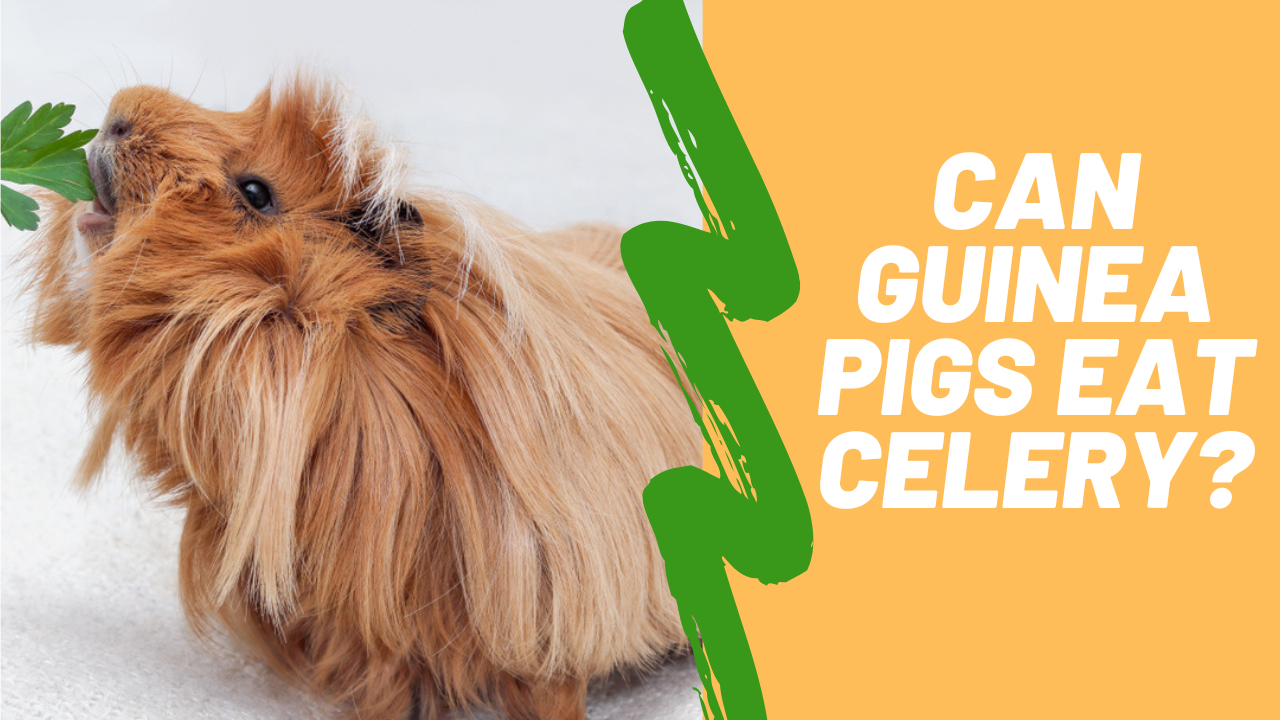
Yes, guinea pigs can eat celery. But it should be given in moderation.
Celery contains essential nutrients but also has a high water content. Guinea pigs have specific dietary needs. Fresh vegetables are a key part of their diet. Celery offers vitamins and fiber, which are good for your pet. But too much celery can cause digestive issues.
Its high water content can lead to diarrhea. It is important to balance celery with other vegetables. Always wash celery thoroughly to remove pesticides. Cut it into small pieces to avoid choking hazards. By following these steps, you can safely include celery in your guinea pig’s diet. Your pet will benefit from the variety and nutrition.
Credit: smallpetselect
Introduction To Guinea Pigs’ Diet
Guinea pigs are adorable pets with specific dietary needs. Understanding their diet is crucial for their health and happiness. A proper diet ensures they get the right nutrients and stay active.
Basics Of Guinea Pig Nutrition
Guinea pigs need a diet rich in vitamin C. They can’t produce this vitamin themselves. Fresh vegetables and fruits are essential. They also require hay for their digestive health. Hay helps keep their teeth in good shape.
Importance Of A Balanced Diet
A balanced diet includes a mix of hay, fresh vegetables, and pellets. Each component plays a vital role. Hay aids digestion and dental health. Vegetables provide essential vitamins and minerals. Pellets offer additional nutrients.
Overfeeding one type of food can cause health issues. Too many vegetables can lead to diarrhea. Excessive pellets can cause obesity. Balance is key for a healthy guinea pig.
Celery As A Food Option
Celery is a common vegetable found in many homes. It is known for its crunch and mild taste. But can guinea pigs eat celery? Let’s explore this topic further.
Nutritional Profile Of Celery
Celery is packed with essential nutrients. Here is a table to help you understand its nutritional value:
| Nutrient | Amount per 100g |
|---|---|
| Calories | 14 |
| Vitamin C | 3.1 mg |
| Vitamin K | 29.3 µg |
| Potassium | 260 mg |
| Dietary Fiber | 1.6 g |
As you can see, celery is low in calories but rich in vitamins and minerals. It contains Vitamin C which is vital for guinea pigs. They cannot produce this vitamin on their own.
Common Uses Of Celery
Celery is versatile. Here are some common uses:
- As a snack: Celery sticks make a healthy snack.
- In salads: Adds a crunchy texture to salads.
- In soups: Enhances the flavor of soups and stews.
- With dips: Pairs well with various dips.
Celery is often used in human diets. It can be offered to guinea pigs in small amounts. Ensure it is fresh and washed thoroughly.
Health Benefits Of Celery For Guinea Pigs
Feeding your guinea pig a balanced diet is crucial. One healthy option is celery. This crunchy vegetable can offer various health benefits for your furry friend. Let’s explore these benefits.
Vitamins And Minerals
Celery is rich in essential vitamins and minerals that guinea pigs need. Here is a table showing some key nutrients found in celery:
| Nutrient | Benefits |
|---|---|
| Vitamin C | Boosts immune system |
| Vitamin K | Helps with blood clotting |
| Potassium | Supports heart health |
| Folate | Promotes cell function |
Guinea pigs cannot produce Vitamin C on their own. Including celery in their diet can help meet their daily vitamin needs.
Hydration Benefits
Celery has high water content. This helps keep your guinea pig hydrated. Hydration is vital for their overall health. It supports digestion and prevents urinary issues.
Providing celery can be an excellent way to ensure they get enough water. Especially during warmer months, it can help keep them cool.
Potential Risks Of Feeding Celery
Feeding celery to guinea pigs may seem harmless. But it does come with potential risks. Understanding these risks can help you make better choices for your furry friend.
High Water Content Issues
Celery has a high water content. Excess water can cause problems for guinea pigs. They are small and sensitive. Too much water can lead to diarrhea. Diarrhea can cause dehydration. Dehydration is dangerous for guinea pigs. It can lead to more serious health issues.
Possible Digestive Problems
Celery contains fibers that guinea pigs may struggle to digest. Their digestive system is sensitive. High fiber can cause bloating and gas. This can lead to discomfort and pain. Sometimes, it can even lead to more serious digestive problems.
| Risk | Cause | Potential Outcome |
|---|---|---|
| Diarrhea | High water content | Dehydration |
| Bloating | High fiber | Discomfort and pain |
By being aware of these risks, you can better manage your guinea pig’s diet. Always ensure that you feed them a balanced diet.
Proper Serving Sizes
Feeding celery to guinea pigs can be a healthy treat. Yet, it’s essential to know the proper serving sizes to ensure their well-being. Too much of a good thing can be harmful. Let’s dive into the right portions and frequency to feed your furry friend celery.
Recommended Portions
Guinea pigs have small stomachs. Thus, serving sizes should be minimal. A suitable serving size is a thin slice of celery. About 1-2 inches in length. Always wash the celery thoroughly. Remove any dirt or pesticides. Cut the celery into small, manageable pieces. This helps avoid choking hazards.
| Size of Guinea Pig | Celery Serving Size |
|---|---|
| Small | 1-inch slice |
| Medium | 1.5-inch slice |
| Large | 2-inch slice |
Frequency Of Feeding
Celery should not be a daily treat. It contains a lot of water. Too much can cause diarrhea. A safe frequency is 2-3 times per week. Rotate celery with other veggies. This ensures a balanced diet.
- Twice a week for small guinea pigs.
- Three times a week for larger guinea pigs.
Always observe your guinea pig after introducing new foods. Watch for any signs of digestive issues.

Credit: Youtube
Preparing Celery For Guinea Pigs
Guinea pigs can eat celery, but it should be given in moderation. Cut celery into small pieces to avoid choking hazards. Ensure it’s washed thoroughly to remove pesticides.
Celery can be a healthy snack for guinea pigs. But preparation is key. Proper washing and cutting make celery safe. Avoiding pesticides is also crucial. Let’s explore these steps in detail.
Washing And Cutting
Always wash celery before feeding it to guinea pigs. Dirt and bacteria can cling to the stalks. Use cold water to rinse each piece thoroughly. Make sure every part is clean.
Cut the celery into small pieces. Guinea pigs have small mouths. Large pieces can be a choking hazard. Aim for bite-sized chunks. This ensures safe eating and easy chewing.
Avoiding Pesticides
Pesticides can be harmful to guinea pigs. Choose organic celery if possible. Organic vegetables are grown without synthetic pesticides. This reduces the risk of chemical exposure.
If organic celery is not available, peel the celery stalks. This helps remove some of the pesticide residue. Always wash the celery well. This extra step adds safety for your pet.
By washing, cutting, and avoiding pesticides, you can safely prepare celery for guinea pigs. These steps ensure a healthy snack for your furry friend.
“`
Alternatives To Celery
Guinea pigs love munching on fresh vegetables. While celery is a popular choice, it’s important to offer a variety of other options to keep your furry friend happy and healthy. Here are some other vegetables and fruits that guinea pigs can enjoy.
Other Vegetables
Bell peppers are a great alternative to celery. They are rich in vitamin C. Carrots are another good option. They add crunch and nutrition to your guinea pig’s diet. Romaine lettuce can also be included. It provides hydration and essential nutrients. Avoid iceberg lettuce. It has little nutritional value.
Fruits Suitable For Guinea Pigs
Guinea pigs enjoy a variety of fruits. Apples make a tasty treat. Remove the seeds before feeding. Strawberries are another favorite. They are sweet and packed with vitamins. Blueberries can also be given in moderation. They offer antioxidants and fiber. Always wash fruits thoroughly before feeding them to your pet.

Credit: guineadad
Monitoring Your Guinea Pig’s Health
Monitoring your guinea pig’s health is crucial when introducing new foods, like celery. Observing their response helps ensure they stay healthy and happy. Proper monitoring involves checking for positive reactions and identifying any adverse effects.
Signs Of Positive Response
Guinea pigs show certain signs when they enjoy a new food. Look for these indicators to ensure your pet is responding well to celery.
A healthy guinea pig will eat the celery eagerly. They may squeak happily and come running when they see you with it. Additionally, they will have consistent energy levels. Their fur will stay smooth and shiny. These signs suggest they are benefiting from the new snack.
Identifying Adverse Reactions
Watch for any negative reactions after your guinea pig eats celery. These can include digestive issues, changes in behavior, or physical symptoms.
Diarrhea or soft stools are common signs of a problem. Monitor their droppings closely. Also, look for any changes in their eating habits. If they stop eating or seem less interested in food, it could indicate an issue.
Behavioral changes are also important. If your guinea pig becomes lethargic or hides more than usual, this may signal a problem. Physical symptoms like bloating or discomfort should not be ignored.
If you notice any adverse reactions, stop feeding celery immediately. Consult a vet to ensure your guinea pig’s health and well-being.
Frequently Asked Questions
Can Guinea Pigs Safely Eat Celery?
Yes, guinea pigs can eat celery safely in moderation. It is a good source of vitamins and minerals. However, its high water content can cause diarrhea if fed in excess.
How Often Can Guinea Pigs Eat Celery?
Guinea pigs can eat celery 2-3 times a week. Overfeeding can lead to digestive issues. It’s best to offer it in small amounts.
What Are The Benefits Of Celery For Guinea Pigs?
Celery provides essential vitamins, like vitamin C, and minerals. It helps in maintaining their overall health. Its crunchy texture aids in dental health.
Should Celery Leaves Be Given To Guinea Pigs?
Yes, celery leaves are safe and nutritious for guinea pigs. They offer additional vitamins and minerals. Ensure they are clean and fresh before serving.
Conclusion
Celery can be a healthy treat for guinea pigs. Feed it in moderation. Too much can cause digestive issues. Always wash celery thoroughly before feeding. Cut it into small pieces to avoid choking. Monitor your guinea pig for any reactions.
Offer a balanced diet with other veggies and hay. Remember, variety is key. Happy feeding!
Learn more about guinea pigs here.