
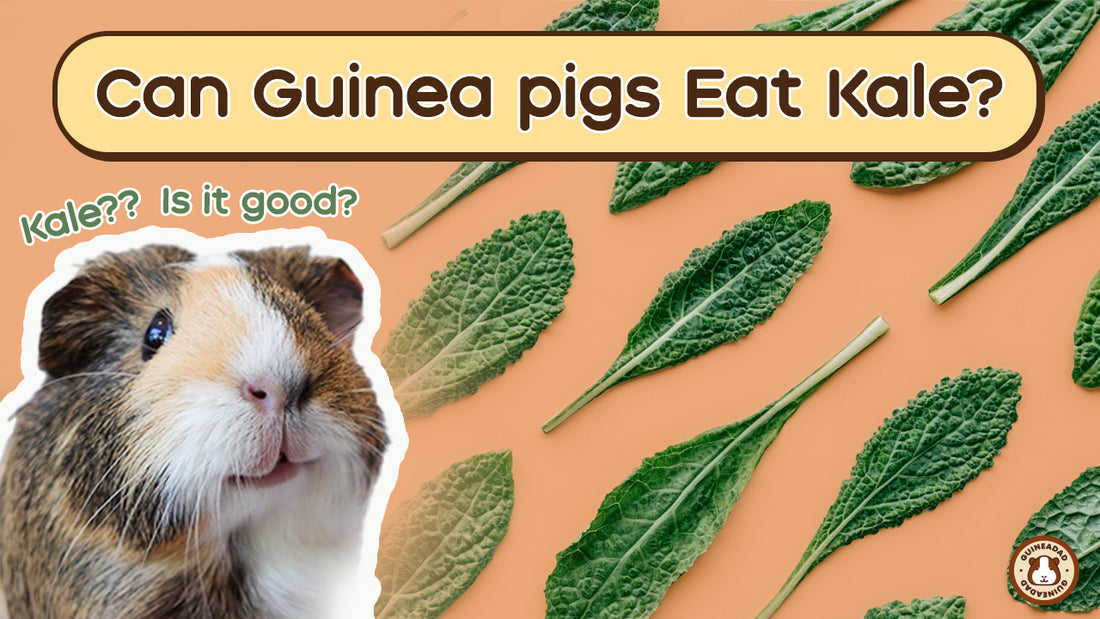
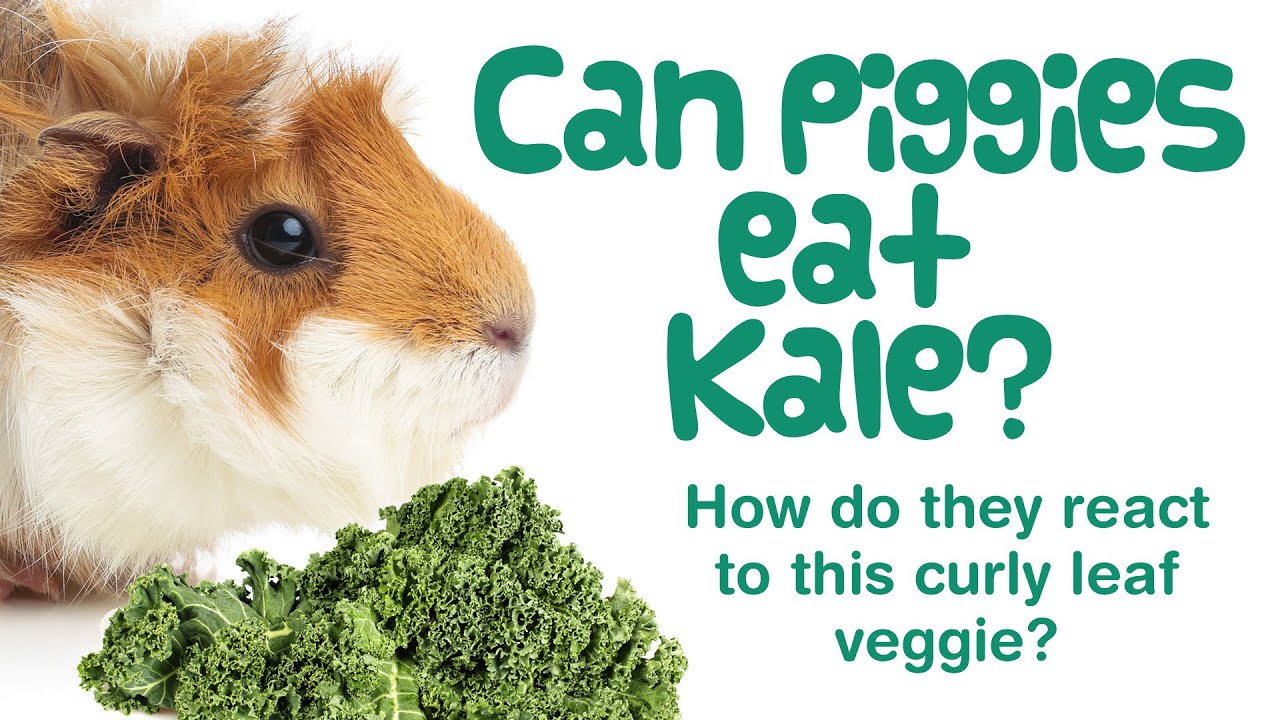
Yes, guinea pigs can eat kale, but moderation is key. Kale offers nutrients, but too much can cause health issues.
Guinea pigs love fresh greens, and kale is often a favorite. This leafy vegetable is packed with vitamins A, C, and K, which are beneficial for your pet’s health. But, it’s important to know that feeding kale to guinea pigs should be done carefully.
Too much kale can lead to problems like gas and bloating due to its high calcium content. In this blog, we’ll explore the benefits and potential risks of feeding kale to your guinea pigs. You’ll learn how to incorporate it safely into their diet, ensuring they enjoy the tasty treat without any negative effects. Let’s dive in and find out more about guinea pigs and kale!
Credit: guineadad
Introduction To Guinea Pig Diet
Guinea pigs are delightful pets. Their diet is crucial for their health. Understanding their nutritional needs helps ensure they live a long, healthy life. This section will cover the basics of a guinea pig’s diet.
Basic Dietary Needs
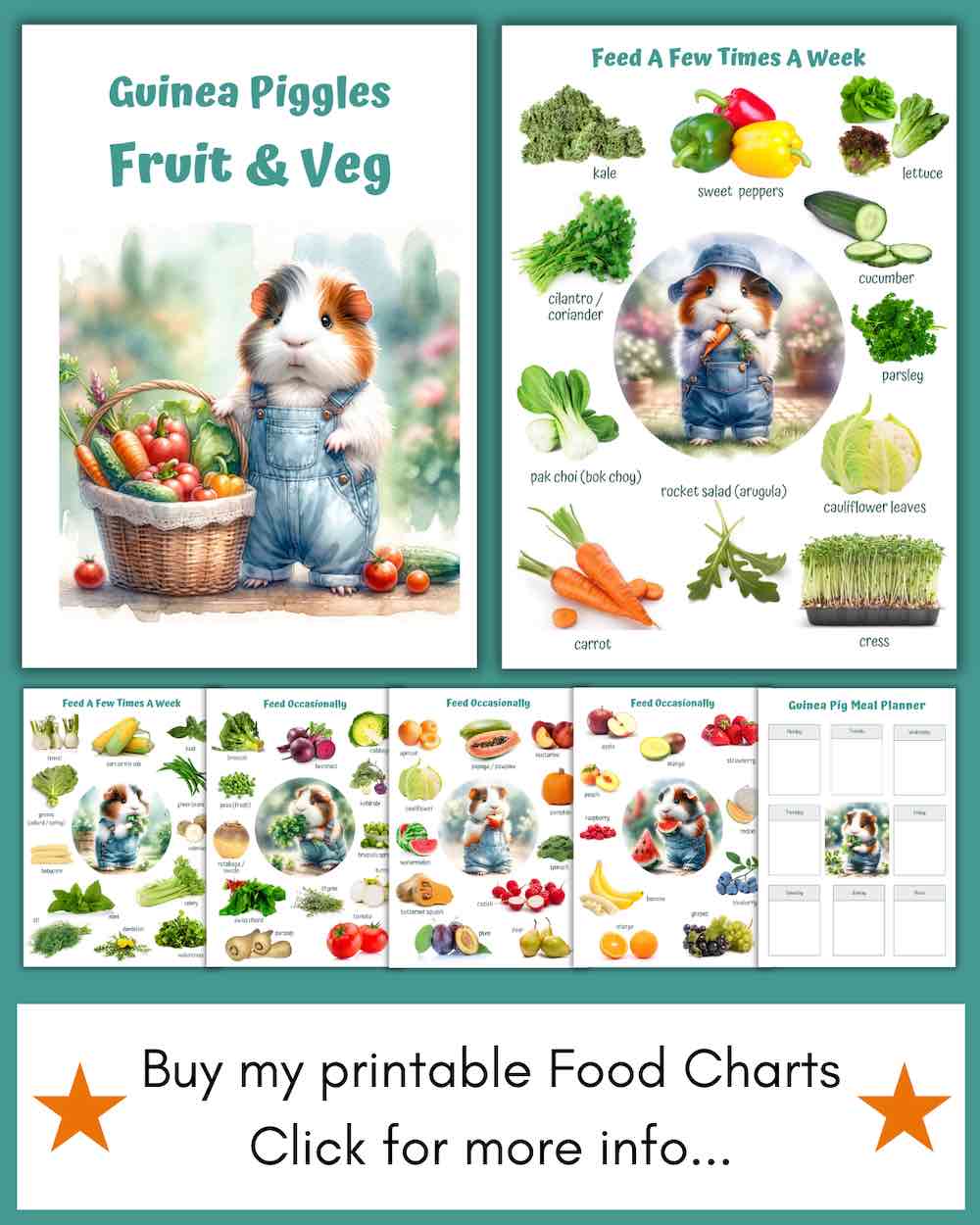
Guinea pigs need a diet rich in vitamin C. They cannot produce this vitamin on their own. Fresh fruits and vegetables are essential. Hay should be available at all times. It aids their digestion and keeps their teeth healthy. Pellets are also important. Look for pellets fortified with vitamin C.
Importance Of A Balanced Diet
A balanced diet prevents many health problems. Guinea pigs can suffer from scurvy without enough vitamin C. Obesity is another concern. Too many pellets or sugary treats can cause weight gain. Offering a variety of foods ensures they get all necessary nutrients. This variety also keeps their meals interesting.
Nutritional Benefits Of Kale
Kale is a nutrient-packed leafy green that offers many health benefits for guinea pigs. It provides essential vitamins and minerals that contribute to their well-being. Let’s explore the nutritional benefits of kale.
Vitamins And Minerals
Kale is rich in vitamins and minerals that are vital for a guinea pig’s health.
| Nutrient | Benefits |
|---|---|
| Vitamin C | Boosts the immune system and prevents scurvy. |
| Vitamin K | Supports blood clotting and bone health. |
| Calcium | Essential for strong bones and teeth. |
| Potassium | Regulates fluid balance and muscle function. |
Antioxidant Properties
Kale contains antioxidants that protect cells from damage. These antioxidants help reduce inflammation and support overall health. Some key antioxidants found in kale include:
- Beta-carotene
- Quercetin
- Kaempferol
These compounds help fight free radicals and promote a healthy immune system.
Potential Risks Of Feeding Kale
Feeding kale to guinea pigs may pose potential risks. High calcium levels in kale can lead to bladder stones. Additionally, too much kale can cause gas and bloating.
Kale is a nutritious vegetable for humans. But it may not be the best choice for guinea pigs. While kale provides many vitamins and minerals, it also has some potential risks for these small pets. Let’s explore some of these concerns.
Calcium Content Concerns
Kale has a high calcium content. Too much calcium can cause bladder stones in guinea pigs. Bladder stones can be very painful and may require surgery. It is important to monitor calcium intake.
Digestive Issues
Kale can cause digestive problems in guinea pigs. It is high in fiber. High fiber can lead to gas and bloating. Guinea pigs have sensitive digestive systems. They may not handle large amounts of kale well. Introduce kale slowly and in small quantities.
“`
Safe Portions And Frequency
Guinea pigs love fresh vegetables, and kale is no exception. But, it’s important to know the safe portions and frequency of feeding kale to ensure your pet’s health. Feeding too much kale can cause issues. Let’s dive into the recommended serving size and how often you should feed kale to your guinea pig.
Recommended Serving Size
Guinea pigs should have small portions of kale. Here’s a simple guide:
- Serving size: One or two leaves
- Weight: Around 10-15 grams
Wash the kale thoroughly. Remove any dirt or pesticides. Always serve fresh kale. Avoid wilted or spoiled leaves. Guinea pigs need fresh, clean food for good health.
How Often To Feed
Feeding kale too often can be harmful. Follow these guidelines for frequency:
| Frequency | Portion |
|---|---|
| 1-2 times per week | One or two leaves |
Rotate kale with other veggies. This keeps their diet balanced. Guinea pigs need variety. It helps them get all necessary nutrients. Too much kale can cause gas or bloat.
Observe your guinea pig’s reaction. If they seem uncomfortable, reduce the amount. Always ensure they have plenty of water.
Preparing Kale For Guinea Pigs
Kale can be a healthy treat for guinea pigs. Wash and chop it into small pieces for easy eating. Limit the amount to avoid digestive issues.
Guinea pigs enjoy fresh vegetables, and kale is a nutritious option. Preparing kale properly ensures your guinea pig gets the best benefits. Let’s explore how to wash, chop, and serve kale to your furry friend.
Washing And Chopping
Always wash kale thoroughly. This removes dirt and pesticides. Use cold water for washing. Rub each leaf gently under running water. Pat the leaves dry with a clean towel.
Next, remove the thick stems. They can be tough for guinea pigs to chew. Chop the kale into small, bite-sized pieces. This helps your guinea pig eat it easily.
Serving Methods
Serve fresh kale in small amounts. Guinea pigs love variety, so mix it with other vegetables. Place the chopped kale in a clean feeding dish. Monitor your guinea pig while it eats.
Remove any uneaten kale after a few hours. Fresh vegetables can spoil quickly. Always provide fresh water alongside the kale. Your guinea pig will enjoy its meal and stay hydrated.
“`
Credit: guineapiggles
Alternatives To Kale
Kale is a nutritious option for guinea pigs, but variety is essential. Let’s explore some alternatives to kale that can provide similar benefits for your pet.
Other Leafy Greens
Guinea pigs can enjoy a wide range of leafy greens. These greens are rich in vitamins and minerals that are crucial for their health.
- Romaine lettuce: A good source of vitamin C and fiber.
- Spinach: High in iron and calcium, but should be given in moderation.
- Swiss chard: Packed with vitamins A, K, and C.
- Collard greens: Rich in vitamin A and calcium.
- Turnip greens: Loaded with vitamins A, C, and K.
Nutrient Comparison
To help you choose the best greens for your guinea pig, here’s a nutrient comparison of some popular options:
| Leafy Green | Vitamin C (mg/100g) | Calcium (mg/100g) | Fiber (g/100g) |
|---|---|---|---|
| Kale | 120 | 150 | 2.0 |
| Romaine lettuce | 24 | 33 | 1.2 |
| Spinach | 28 | 99 | 2.2 |
| Swiss chard | 30 | 51 | 1.6 |
| Collard greens | 35 | 232 | 4.0 |
| Turnip greens | 60 | 190 | 3.2 |
Each green offers unique benefits. Mix them to provide a balanced diet for your guinea pig.
Signs Of Nutritional Imbalance
Guinea pigs need a balanced diet to stay healthy. Kale is nutritious, but too much can cause issues. Watch for signs of nutritional imbalance in your guinea pig.
Symptoms To Watch For
Keep an eye out for the following symptoms:
- Weight loss
- Diarrhea
- Lethargy
- Loss of appetite
- Hunched posture
- Rough or dull coat
These symptoms may indicate an issue with their diet.
When To Consult A Vet
If you notice any symptoms, consult a vet. Early intervention is key. Here are signs that warrant a vet visit:
- Persistent diarrhea lasting more than a day
- Severe weight loss
- Continuous lethargy
- Refusal to eat for more than 12 hours
- Any sudden, unusual behavior
A vet can guide you to adjust their diet properly. They will help ensure your guinea pig stays happy and healthy.
Credit: Youtube
Frequently Asked Questions
Can Guinea Pigs Eat Kale Daily?
No, guinea pigs should not eat kale daily. Kale is high in calcium, which can cause health issues. Offer kale in moderation.
Is Kale Good For Guinea Pigs?
Yes, kale is good for guinea pigs in moderation. It provides essential nutrients like Vitamin C, but too much can lead to health issues.
How Much Kale Can Guinea Pigs Eat?
Guinea pigs can eat small amounts of kale. Limit kale to a few times a week to avoid excessive calcium intake.
What Are The Benefits Of Kale For Guinea Pigs?
Kale provides Vitamin C, which is essential for guinea pigs. It also contains fiber, which aids in digestion.
Conclusion
Kale can be a healthy treat for guinea pigs. It offers vitamins and minerals. Feed in moderation to avoid digestive issues. Balance their diet with other veggies. Monitor your guinea pig’s health. Always consult a vet for dietary changes. Enjoy watching your pet relish this leafy green!
Learn more about Bengal cat here.