
Cockatiels are charming pets. They bring joy to many households.
Caring for them requires knowledge and dedication. Proper cockatiel care ensures they stay healthy and happy. Cockatiels are small parrots with lively personalities. They are social creatures and thrive on interaction. Providing the right care involves understanding their needs. This includes diet, habitat, and socialization.
A balanced diet keeps them strong. A spacious and clean cage offers them comfort. Social interaction prevents boredom and stress. Regular health check-ups are also important. With the right care, cockatiels can live long, fulfilling lives. This guide will help you provide the best care for your feathered friend. Dive in to learn how to keep your cockatiel thriving.

Credit: Youtube
Introduction To Cockatiels
Welcome to the world of cockatiels! These charming birds are popular pets. Their friendly nature and beautiful appearance make them a favorite. Let’s dive into the essentials of cockatiel care. Understanding their history and physical traits can help you provide the best care.
History And Origin
Cockatiels come from Australia. They thrive in the wild plains and bushlands. These birds have been kept as pets for many years. They were first discovered in the 18th century. Early explorers brought them to Europe. Their popularity spread quickly. Today, they are one of the most loved pet birds worldwide.
Physical Characteristics
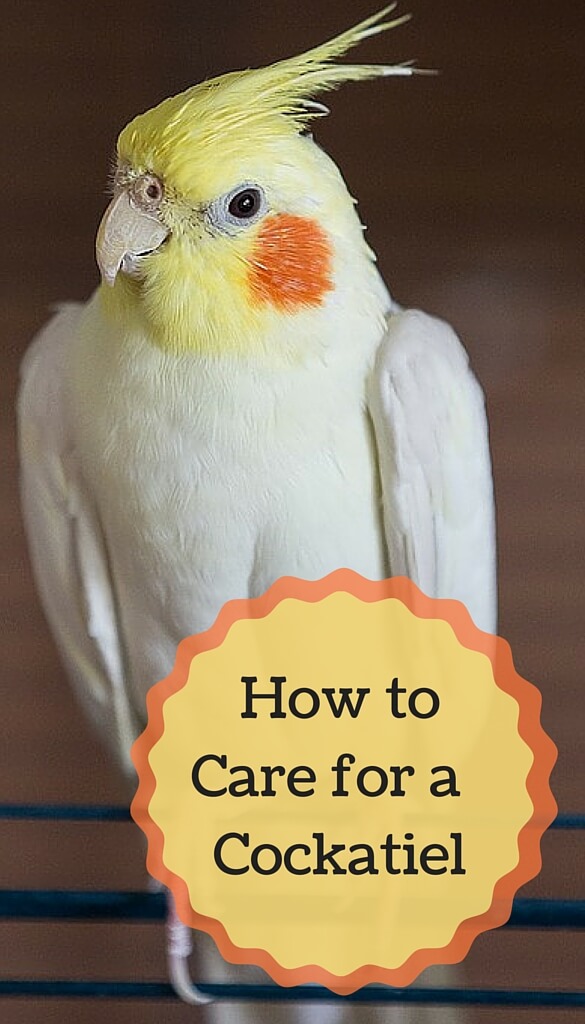
Cockatiels are small, colorful birds. They have a crest of feathers on their heads. This crest can move up and down. Their bodies are sleek and slender. Most have gray bodies with yellow faces. Some may have white or yellow patches on their wings. Their cheeks often have bright orange spots. Males and females look similar, but males are usually more colorful. Cockatiels can live up to 20 years with proper care.
Choosing The Right Cockatiel
Choosing the right cockatiel is vital for a happy pet experience. Cockatiels are social birds that bring joy to many homes. Here, we’ll help you decide which cockatiel fits your lifestyle.
Male Vs Female
Both male and female cockatiels make wonderful pets. But they have some differences.
- Male Cockatiels: Males are known for their singing and whistling. They are often more vocal and can mimic sounds. Males have brighter cheek patches.
- Female Cockatiels: Females are usually quieter. They may be less likely to mimic sounds. Females tend to have muted cheek patches.
Consider your preference for a vocal or quiet pet. Both genders can be affectionate and friendly.
Age Considerations
Age is another important factor in choosing a cockatiel. Each age group has its pros and cons.
| Age Group | Pros | Cons |
|---|---|---|
| Baby (Under 6 months) |
|
|
| Young (6 months – 2 years) |
|
|
| Adult (2+ years) |
|
|
Decide based on your lifestyle and how much time you can devote.
Preparing Your Home
Preparing your home for a new cockatiel is crucial. A well-prepared space ensures your bird feels safe and comfortable. This guide will help you create the perfect environment for your feathered friend.
Cage Setup
Choose a spacious cage with horizontal bars. Cockatiels love to climb. The cage should be at least 24 inches wide, 18 inches deep, and 24 inches tall. Place the cage in a quiet but active area. Avoid kitchens and direct sunlight.
Line the bottom with newspaper or paper towels. These are easy to replace and keep the cage clean. Include several perches. They help your bird exercise and keep its feet healthy. Use different materials and thicknesses for variety.
Essential Accessories
Your cockatiel needs a few essential accessories. First, include food and water dishes. Attach them securely to the cage to prevent spills. Change the water daily.
Toys are important for mental stimulation. Choose toys that are safe and non-toxic. Rotate them regularly to keep your bird interested. Include a cuttlebone for calcium. This helps keep your bird’s beak in good condition.
A birdbath is also useful. Cockatiels love to bathe and it helps keep their feathers in good shape. You can use a shallow dish of water or a commercial birdbath.
A cage cover is another useful accessory. It helps your bird feel safe and secure at night. Cover the cage to create a dark, quiet environment for sleep.
Feeding Your Cockatiel
Proper nutrition is essential for your cockatiel’s health and happiness. Knowing what to feed your bird helps ensure they live a long, vibrant life. Let’s dive into the basics of a cockatiel’s diet and which foods are safe and unsafe for them to eat.
Diet Basics
A balanced diet is crucial for your cockatiel. Their diet should include a variety of foods to ensure they get all necessary nutrients. Here are the key components:
- Seeds: Seeds should make up about 25-30% of their diet. Choose a high-quality seed mix.
- Pellets: Pellets should be the main part of their diet, around 50-60%. They are formulated to provide balanced nutrition.
- Fresh Fruits and Vegetables: Offer fresh fruits and veggies daily. They provide vitamins and minerals.
- Protein: Occasionally, provide protein-rich foods like boiled eggs or cooked beans.
Safe And Unsafe Foods
Knowing which foods are safe and which are harmful is vital for your cockatiel’s well-being. Below is a table to help you identify safe and unsafe options:
| Safe Foods | Unsafe Foods |
|---|---|
| Apples (without seeds) | Avocado |
| Carrots | Chocolate |
| Broccoli | Caffeine |
| Spinach | Alcohol |
| Blueberries | Onions |
Always wash fruits and vegetables thoroughly before feeding them to your bird. Remove any seeds or pits from fruits, as they can be toxic. Avoid processed foods, as they contain harmful additives and preservatives.
- Provide fresh water daily. Clean the water dish regularly.
- Monitor your cockatiel’s weight. Adjust their diet as needed.
- Observe their eating habits. Ensure they are consuming a balanced diet.
Feeding your cockatiel the right foods ensures they stay healthy and happy. Remember to offer a variety of foods and always check for safety. Your feathered friend deserves the best care!
Daily Care Routine
Ensuring your cockatiel is happy and healthy requires a consistent daily care routine. This involves cleaning their living space, providing exercise, and engaging in playtime. Each aspect is crucial for their well-being. Let’s dive into the specifics.
Cleaning And Maintenance
A clean environment is essential for your cockatiel’s health. Start by cleaning their cage daily. Remove food and water dishes, clean them, and refill with fresh supplies. Dispose of any uneaten food to prevent mold and bacteria.
For cage maintenance, change the cage liner every day. Wipe down perches and toys to remove droppings and debris. A weekly deep clean is also necessary. Disassemble the cage, scrub all parts with bird-safe disinfectant, and let them dry completely before reassembling.
| Daily Tasks | Weekly Tasks |
|---|---|
|
|
Exercise And Playtime
Exercise is vital for your cockatiel. Allow your bird to fly outside the cage for at least an hour each day. Ensure the room is safe and free from hazards. This helps them stay fit and mentally stimulated.
Playtime is equally important. Engage your cockatiel with toys and games. Rotate toys weekly to keep things interesting. Use foraging toys to encourage natural behaviors. Spend time interacting with your bird to build trust and bond.
- Allow out-of-cage time daily
- Provide a variety of toys
- Use foraging toys
- Interact and play with your bird
Following this daily care routine ensures your cockatiel remains healthy, happy, and well-adjusted.
Credit: pbspettravel
Health And Wellness
Ensuring the health and wellness of your cockatiel is crucial. A healthy bird is happy and active. This section will guide you on common health issues and signs of a healthy bird.
Common Health Issues
Cockatiels can face several health issues. Respiratory infections are common. Symptoms include sneezing and nasal discharge. They may also suffer from feather plucking. This can be due to stress or boredom. Another issue is obesity. Overfeeding and lack of exercise cause this.
Parasites like mites can also affect cockatiels. Watch for itching and feather loss. Cockatiels may also develop liver disease. This is usually due to a poor diet.
Signs Of A Healthy Bird
It’s important to know if your cockatiel is healthy. A healthy bird has bright, clear eyes. Their feathers are smooth and shiny. They are active and playful. A healthy bird eats and drinks regularly.
Check their droppings. They should be consistent in color and texture. Listen to their breathing. It should be quiet and steady. Regular vet check-ups ensure your bird stays healthy.
Behavior And Training
Understanding your Cockatiel’s behavior and training them can be rewarding. They are intelligent and social birds. With patience and consistency, you can build a strong bond.
Understanding Behavior
Cockatiels display many behaviors to communicate. It is essential to understand these signals.
- Whistling and Chirping: Indicates happiness or seeking attention.
- Beak Grinding: A sign of contentment and relaxation.
- Feather Ruffling: Often done to get comfortable or clean.
- Hissing: Shows fear or discomfort. Give space if this happens.
Understanding these behaviors helps in creating a comfortable environment for your Cockatiel.
Basic Training Tips
Training your Cockatiel requires patience and a positive approach. Here are some basic tips to help you get started:
- Start with Trust: Spend time near the cage. Talk softly to build trust.
- Use Treats: Reward your Cockatiel with treats for good behavior.
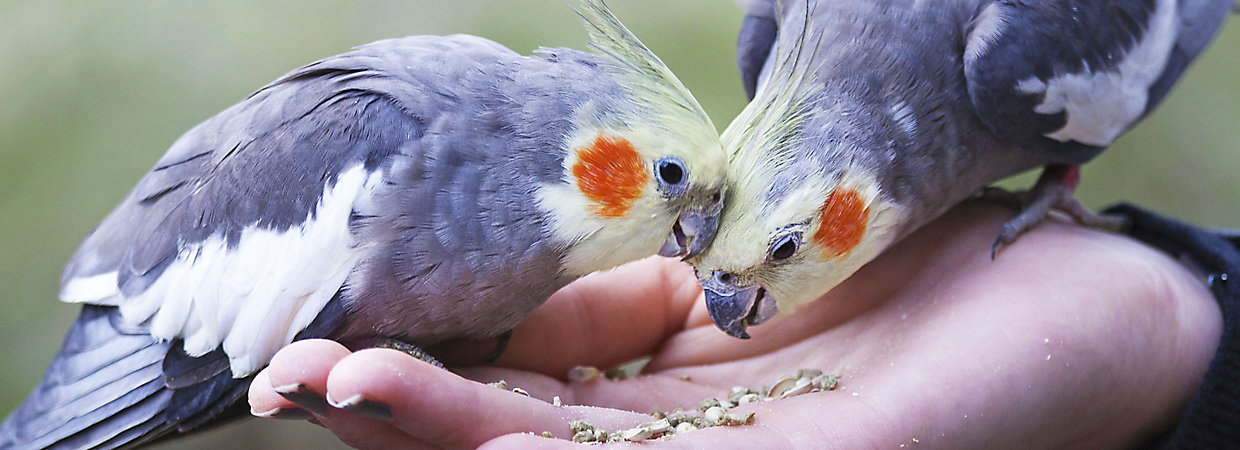
- Step-Up Command: Gently press your finger against their chest. Encourage them to step onto your hand.
- Consistency: Practice regularly for short periods. Consistency is key.
- Patience: Training takes time. Be patient and gentle.
These basic tips can help you start training your Cockatiel effectively. Remember to always use positive reinforcement.
Credit: Petsmart
Socializing Your Cockatiel
Socializing your cockatiel is crucial for its happiness and well-being. Cockatiels are social birds that thrive on interaction. Proper socialization helps build trust and reduces stress. Let’s explore some essential tips for bonding and introducing your cockatiel to other pets.
Bonding With Your Bird
Bonding with your cockatiel requires patience and consistency. Start by spending time near the cage. Talk softly to your bird. This helps your cockatiel get used to your voice and presence.
- Offer treats from your hand. Let your bird come to you.
- Practice gentle handling. Begin with short sessions to avoid stress.
- Use toys and play to build trust. Rotate toys to keep things interesting.
Gradually extend the time you spend with your bird. Read, sing, or talk to your cockatiel daily. This strengthens your bond and makes your bird feel safe.
Introducing To Other Pets
Introducing your cockatiel to other pets needs careful planning. Always supervise interactions to ensure safety. Here’s a step-by-step guide:
- Start with controlled meetings: Keep your cockatiel in the cage during first introductions.
- Monitor body language: Watch for signs of stress or aggression from both pets.
- Gradual interaction: Allow short, supervised out-of-cage time once both pets are calm.
Never leave your cockatiel alone with other pets. Safety is the priority. Use positive reinforcement to reward calm behavior from both pets.
Table with tips:
| Tip | Details |
|---|---|
| Controlled Meetings | Keep interactions short and supervised. |
| Monitor Body Language | Look for signs of stress or aggression. |
| Positive Reinforcement | Reward calm behavior with treats. |
Socializing your cockatiel with other pets takes time. Be patient and consistent. With proper care, your cockatiel will thrive in a multi-pet household.
Frequently Asked Questions
How Often Should I Feed My Cockatiel?
Feed your cockatiel twice daily, once in the morning and once in the evening. Provide a balanced diet of seeds, pellets, and fresh fruits.
What Type Of Cage Is Best For Cockatiels?
Choose a spacious cage with horizontal bars for climbing. Ensure it’s at least 20x20x24 inches to allow for exercise.
Do Cockatiels Need Regular Vet Check-ups?
Yes, annual vet check-ups are essential for monitoring your cockatiel’s health. Regular visits help catch potential issues early.
How Can I Bond With My Cockatiel?
Spend time interacting daily. Offer treats, gentle talking, and allow out-of-cage playtime. Building trust takes patience.
Conclusion
Proper cockatiel care ensures a happy and healthy pet. Provide a balanced diet. Fresh water is essential daily. Clean the cage regularly. Offer toys for mental stimulation. Social interaction is vital. Regular vet visits keep your bird healthy. A little effort keeps your cockatiel thriving.
Enjoy your time with your feathered friend!
Learn more about lutino cockatiels here