
Cockatiels are charming and beloved pets. They bring joy with their playful nature.
However, like all pets, they can suffer from health issues. Understanding common cockatiel diseases is crucial for every bird owner. These beautiful birds are prone to certain illnesses that can affect their wellbeing. Recognizing symptoms early can make a big difference in their health.
In this blog, we’ll explore the most common diseases that affect cockatiels. You’ll learn about their causes, symptoms, and how to prevent them. This knowledge will help you keep your feathered friend happy and healthy. Stay informed and give your cockatiel the best care possible. Let’s dive into the world of cockatiel health and discover how to protect these delightful birds.
Introduction To Cockatiel Health
Ensuring the health of your cockatiel is crucial. Cockatiels are sensitive birds. They require special attention to maintain their well-being. Regular monitoring can prevent many common diseases. A healthy diet and clean environment also play significant roles.
Importance Of Monitoring Health
Monitoring your cockatiel’s health is essential. Watch for any changes in behavior or appearance. Early detection of issues can save your bird’s life. Regular check-ups with an avian vet are recommended.
Here are some signs to watch for:
- Changes in appetite
- Weight loss
- Fluffed-up feathers
- Discharge from eyes or nostrils
- Changes in droppings
Common Health Issues
Cockatiels can suffer from several health issues. Some are more common than others. It’s important to be aware of these.
| Health Issue | Symptoms |
|---|---|
| Respiratory Infections | Wheezing, nasal discharge, coughing |
| Psittacosis | Green droppings, lethargy, nasal discharge |
| Feather Plucking | Bald spots, damaged feathers |
| Egg Binding | Swollen abdomen, straining |
| Vitamin A Deficiency | Poor feather quality, respiratory issues |
Respiratory infections are common in cockatiels. Symptoms include wheezing, nasal discharge, and coughing. Psittacosis is another serious disease. It presents with green droppings, lethargy, and nasal discharge.
Feather plucking can be a sign of stress or illness. Look for bald spots and damaged feathers. Egg binding is a critical condition in female cockatiels. Symptoms include a swollen abdomen and straining.
A poor diet can lead to vitamin A deficiency. This results in poor feather quality and respiratory issues.
Regular vet visits and proper care can prevent many of these health problems. Ensure your cockatiel has a balanced diet and a clean living environment.

Credit: pinterest
Respiratory Infections
Respiratory infections are common in cockatiels. These infections can be serious if not treated promptly. They affect the bird’s lungs and air sacs. Understanding the symptoms and knowing how to prevent and treat these issues is crucial.
Symptoms Of Respiratory Issues
Signs of respiratory problems can vary. Look for sneezing and coughing. Listen for wheezing or clicking sounds. Notice if your bird breathes with an open beak. Check if the tail bobs up and down with each breath. Observe any discharge from the nostrils.
Prevention Strategies
Keep your cockatiel’s cage clean. Remove waste daily. Provide fresh water and food. Ensure good ventilation in the room. Avoid exposing your bird to drafts. Do not smoke around your bird. Quarantine new birds before introducing them.
Treatment Options
Consult an avian vet immediately. The vet may prescribe antibiotics. Follow the vet’s instructions closely. Provide a warm and quiet environment. Use a humidifier to ease breathing. Ensure your bird gets plenty of rest. Monitor your bird’s progress daily.
Psittacosis
Psittacosis, also known as parrot fever, is a bacterial infection. It is caused by the bacterium Chlamydia psittaci. This disease can affect cockatiels and other birds. It is also zoonotic, meaning it can spread to humans.
Symptoms Of Psittacosis
Recognizing the symptoms early can save your bird’s life. Here are common signs:
- Respiratory distress
- Runny eyes and nose
- Weight loss
- Lethargy
- Diarrhea
Prevention Measures
Preventing psittacosis involves a few key steps:
- Regular veterinary check-ups
- Quarantining new birds for 30 days
- Maintaining clean living environments
- Providing a balanced diet to boost immunity
Treatment Methods
If your cockatiel shows symptoms, seek veterinary care immediately. Treatment usually involves:
- Antibiotic therapy, often doxycycline
- Isolating the infected bird to prevent spread
- Ensuring proper hydration and nutrition
- Regular follow-up visits to the vet
Feather Plucking
Feather plucking is a common issue in cockatiels. It involves the bird pulling out its feathers. This behavior can lead to serious health problems. Understanding the signs and causes can help in managing this condition effectively.
Signs Of Feather Plucking
Feather plucking can be identified through several signs. You may notice bald patches on your cockatiel. Broken or damaged feathers are also a common sign. Your bird might appear restless or agitated. Constant grooming or preening is another indicator. Watch for these signs to catch the problem early.
Preventive Care
Preventing feather plucking involves creating a stress-free environment. Ensure your cockatiel has a balanced diet. Provide plenty of toys for mental stimulation. Regularly clean the bird’s cage. Maintain a consistent daily routine. This helps keep your bird calm and happy.
Treatment Approaches
Treating feather plucking requires a combination of strategies. Consult an avian veterinarian for a proper diagnosis. They may suggest dietary changes or supplements. Behavioral therapy can also be beneficial. Sometimes, medications are necessary. Follow the vet’s advice to ensure effective treatment.
Nutritional Deficiencies
Cockatiels need a balanced diet to stay healthy. Nutritional deficiencies can lead to various health problems. Common deficiencies include a lack of vitamins, minerals, and essential nutrients. It’s important to recognize the signs early and take action.
Symptoms Of Deficiencies
Cockatiels show different symptoms based on the deficiency type. Here are some common signs:
- Weakness and lethargy
- Feather plucking or poor feather quality
- Swollen or painful joints
- Beak and nail abnormalities
- Loss of appetite
- Weight loss
Dietary Prevention
A varied diet prevents nutritional deficiencies. Here are some dietary tips:
- Provide a mix of seeds and pellets
- Include fresh fruits and vegetables daily
- Offer calcium sources like cuttlebone and mineral blocks
- Use vitamin supplements if needed
- Avoid foods high in fat and sugar
Nutritional Treatments
Treating deficiencies often involves dietary adjustments. Here are some steps:
- Identify the specific deficiency
- Consult with an avian vet
- Introduce vitamin and mineral supplements
- Provide a balanced diet with essential nutrients
- Monitor the bird’s progress regularly
A table below summarizes common deficiencies and their treatments:
| Deficiency | Symptoms | Treatments |
|---|---|---|
| Vitamin A | Poor feather quality, respiratory issues | Carrots, sweet potatoes, leafy greens |
| Calcium | Weak bones, egg binding | Cuttlebone, mineral blocks |
| Vitamin D | Weakness, poor bone health | Sunlight exposure, vitamin supplements |
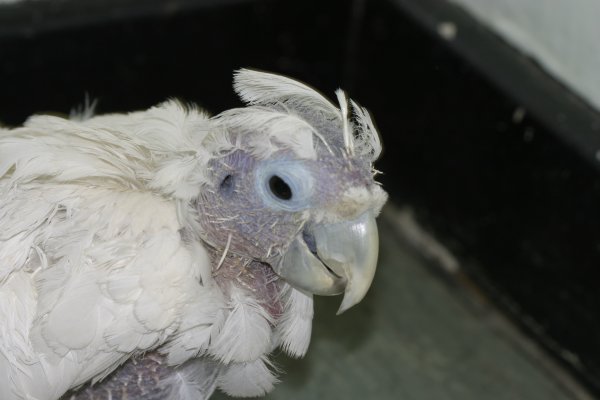
Credit: petcockatiel
Parasite Infestations
Parasite infestations are common in cockatiels and can cause serious health issues. These tiny invaders can affect your bird’s well-being and lead to discomfort and sickness. Knowing the types of parasites, how to prevent them, and treatment options is crucial for keeping your cockatiel healthy.
Common Parasites In Cockatiels
Cockatiels can suffer from various parasites. Mites are the most common. They can cause itching, feather loss, and skin irritation. Lice are also common and feed on the bird’s blood, leading to anemia. Worms can infest the digestive tract, causing weight loss and diarrhea.
Preventive Measures
Regular cleaning of the cage and accessories is essential. Keep your cockatiel’s living area spotless. Inspect your bird regularly for signs of parasites. Quarantine new birds before introducing them to your current pets. Provide a balanced diet to boost your bird’s immune system.
Treatment Solutions
If you suspect a parasite infestation, consult an avian vet. They can recommend the right treatment. Mite sprays and powders are effective for external parasites. Worming medications are available for internal parasites. Follow the vet’s advice for dosage and duration.
Behavioral Disorders
Behavioral disorders are common in cockatiels and can be distressing for both the bird and the owner. These issues can stem from various causes including stress, boredom, or health problems. Understanding these disorders is crucial for ensuring your cockatiel’s well-being.
Identifying Behavioral Issues
Identifying behavioral issues in cockatiels can help address them promptly. Look for signs such as:
- Excessive screaming or vocalization
- Feather plucking or self-mutilation
- Aggressive behavior towards owners or other birds
- Loss of appetite or changes in eating habits
If you notice these signs, your cockatiel might be experiencing a behavioral disorder.
Prevention Techniques
Preventing behavioral issues in cockatiels involves creating a healthy and stimulating environment. Here are some tips:
- Provide a variety of toys and perches to keep them entertained.
- Ensure they have a balanced diet with fresh fruits and vegetables.
- Spend quality time interacting with your bird daily.
- Maintain a consistent routine to reduce stress and anxiety.
These steps can help prevent many behavioral problems.
Treatment Methods
If your cockatiel is already experiencing behavioral issues, consider these treatment methods:
| Issue | Treatment |
|---|---|
| Feather Plucking | Provide mental stimulation with toys and activities. |
| Excessive Screaming | Ignore the screams and reward quiet behavior. |
| Aggression | Handle with care and offer treats to build trust. |
Consult a veterinarian if the issues persist. They can offer specialized advice and treatment options.
Regular Health Check-ups
Regular health check-ups help identify common cockatiel diseases like psittacosis and feather plucking early. Early detection ensures better treatment and a healthier bird.
Regular health check-ups are crucial for maintaining your cockatiel’s well-being. These check-ups help detect diseases early. Early detection can save your bird’s life. They also ensure your bird remains happy and healthy.
Importance Of Vet Visits
Vet visits are essential for your cockatiel’s health. A vet can spot issues you might miss. Regular visits build a health history for your bird. This history helps in future treatments. It also gives peace of mind knowing your bird is healthy.
What To Expect In A Check-up
A check-up usually starts with a physical exam. The vet checks the bird’s weight and feathers. They also examine the eyes, beak, and feet. The vet may ask questions about diet and behavior. Blood tests might be done to check for diseases. The vet will also give you tips for better care.
Maintaining A Health Record
Keep a health record for your cockatiel. Note down each vet visit. Record any changes in behavior or diet. This information helps the vet during check-ups. It also helps you track your bird’s health. A health record can be a lifesaver in emergencies.
“`
Frequently Asked Questions
What Are Common Cockatiel Diseases?
Cockatiels can suffer from respiratory infections, psittacosis, and feather plucking. Regular vet check-ups are crucial.
How Can I Prevent Cockatiel Diseases?
Ensure a clean cage, provide balanced nutrition, and schedule regular vet visits. Hygiene is essential.
What Are Signs Of A Sick Cockatiel?
Watch for changes in appetite, droppings, or behavior. Fluffed feathers and lethargy are also concerning.
How Do I Treat A Sick Cockatiel?
Consult an avian vet immediately. Follow their treatment plan and ensure a stress-free environment for recovery.
Conclusion
Caring for a cockatiel involves understanding their health needs. Early detection of diseases can save your bird’s life. Regular vet check-ups are essential. Maintain a clean and safe environment for your cockatiel. Provide a balanced diet and fresh water daily.
Watch for unusual behavior or signs of illness. Your bird’s well-being depends on your attentive care. With love and attention, your cockatiel can thrive for years. Stay informed and keep your feathered friend healthy and happy.
Learn more about Cockatiels personality here .