
To Care for a cockatiel isn’t difficult, but it requires dedication. These birds need attention, love, and the right environment to thrive.
Cockatiels are charming pets known for their friendly nature and playful antics. Understanding their needs is crucial for keeping them happy and healthy. From diet to social interaction, many factors contribute to their well-being. Providing the right care will not only ensure their health but also strengthen your bond with them.
Let’s explore the essential aspects of cockatiel care, so you can offer the best home for your feathered friend.
Choosing The Right Cage
Choosing the right cage for your cockatiel is essential. The cage is your bird’s home. It should be safe, comfortable, and spacious. Let’s break down what you need to consider.
Size And Space
The size of the cage is very important. Your cockatiel needs room to move. A small cage can make your bird unhappy. It can also lead to health problems. The minimum size for one cockatiel is 24 inches wide, 18 inches deep, and 24 inches high. If you have two birds, the cage should be much larger. More space means a happier, healthier bird.
Make sure the bars are close together. This prevents your bird from escaping or getting stuck. The spacing should be no more than 0.5 inches. A cage with horizontal bars is best. It allows your bird to climb and exercise.
Cage Placement
Where you place the cage matters. Choose a quiet spot. Avoid areas with drafts or direct sunlight. The cage should be at eye level. This helps your bird feel safe and connected with the family.
Keep the cage away from the kitchen. Fumes from cooking can harm your bird. Avoid placing the cage near windows. Sudden temperature changes can stress your bird. A corner in the living room or a dedicated bird room is ideal.
Ensure the cage is stable. It should not wobble or be easy to tip over. Your cockatiel needs a secure environment to thrive.
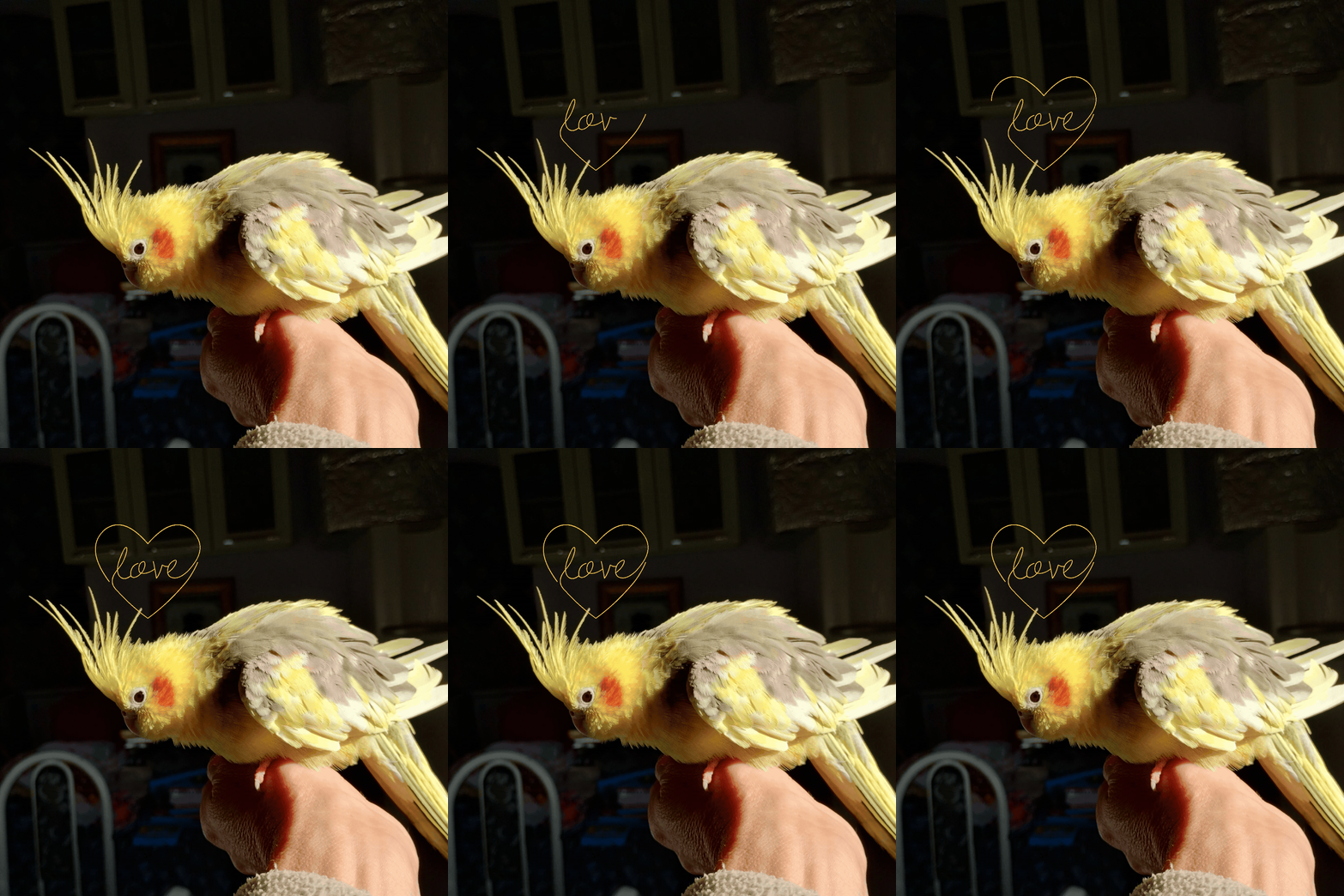
Credit: birdsupplies
Feeding Your Cockatiel
Feeding your cockatiel correctly is crucial for its health. These birds need a balanced diet to stay happy and healthy. Let’s explore what a balanced diet looks like and which foods are safe for your feathered friend.
Balanced Diet
A balanced diet for a cockatiel includes a mix of seeds, pellets, fresh fruits, and vegetables. Here’s a simple breakdown:
| Food Type | Percentage |
|---|---|
| Seeds | 30% |
| Pellets | 40% |
| Fruits | 15% |
| Vegetables | 15% |
Seeds are an important part of their diet. But too many seeds can lead to obesity. Combine seeds with high-quality pellets. Pellets provide essential vitamins and minerals. Fresh fruits and vegetables add variety. They also supply necessary nutrients.
Safe Foods
Not all foods are safe for cockatiels. Here are some safe choices:
- Fruits: Apples, bananas, grapes, and berries.
- Vegetables: Carrots, spinach, peas, and broccoli.
- Seeds: Sunflower seeds, but in moderation.
- Pellets: Choose high-quality, cockatiel-specific pellets.
Avoid these foods:
- Avocado
- Chocolate
- Caffeine
- Alcohol
- Onions and garlic
Always wash fruits and vegetables. Cut them into small pieces. This makes them easier to eat. Also, remove seeds from fruits. They can be toxic.
Remember, water is vital. Ensure your cockatiel has fresh water daily. Clean the water dish regularly to prevent bacterial growth.
Daily Care Routine
Caring for a cockatiel requires attention to their daily needs. Establishing a routine ensures your bird stays happy and healthy. Here, we discuss the daily care routine for your cockatiel.
Cleaning The Cage
A clean cage is crucial for your cockatiel’s health. Remove food leftovers and droppings daily. This prevents bacteria buildup. Use a damp cloth to wipe down the cage bars. Change the cage liner every day. This keeps the environment fresh and odor-free. Once a week, deep clean the cage with bird-safe disinfectant. Rinse thoroughly and let it dry before placing your bird back.
Fresh Water Supply
Provide fresh water for your cockatiel every day. Use a clean water dish. Rinse the dish with hot water before refilling. This ensures no residue remains. Monitor the water level throughout the day. Cockatiels need access to water at all times. Check for droppings or food in the water. Replace it immediately if contaminated.
Socializing And Bonding
Caring for a cockatiel involves more than feeding and cleaning. Socializing and bonding with your bird is crucial. A strong bond ensures a happy, healthy pet. It also helps in building trust and reduces stress for your cockatiel.
Interacting With Your Bird
Spend time daily with your cockatiel. Talk softly to them. This helps them recognize your voice. Offer your hand to let them perch. Be patient and gentle. Cockatiels need time to trust. They enjoy head scratches and gentle petting. Avoid sudden movements to keep them calm. Consistent interaction builds a strong bond.
Toys And Enrichment
Cockatiels need mental stimulation. Provide a variety of toys. Rotate them regularly to maintain interest. Toys with mirrors, bells, and ropes are good choices. Foraging toys encourage natural behaviors. Place toys inside the cage and outside during playtime. Enrichment keeps your cockatiel active and happy.
Health And Wellness
Ensuring the health and wellness of your cockatiel is vital for its happiness and longevity. Regular check-ups, a balanced diet, and a clean living environment are key. Let’s dive into some essential aspects of maintaining your cockatiel’s health.
Common Health Issues
Cockatiels, like other pets, can face a variety of health issues. Knowing the signs helps in early detection.
- Respiratory Issues: Symptoms include sneezing, coughing, and nasal discharge.
- Feather Plucking: This can be a sign of stress or illness.
- Psittacosis: A bacterial infection causing lethargy and breathing problems.
- Obesity: Caused by an unbalanced diet and lack of exercise.
Regular Vet Check-ups
Regular vet visits are crucial for your cockatiel’s health. A vet can spot potential issues early.
- Schedule an annual check-up with an avian vet.
- Discuss any changes in behavior or appetite.
- Ensure vaccinations are up-to-date.
During these visits, the vet may perform routine tests, such as:
| Test | Purpose |
|---|---|
| Blood Test | Checks for infections and organ function. |
| Fecal Exam | Identifies parasites or digestive issues. |
| Physical Exam | Assesses overall health and body condition. |
By staying proactive with your cockatiel’s health, you can ensure a happy and healthy life for your feathered friend.
Training And Behavior
Caring for a cockatiel involves understanding their training and behavior. These intelligent birds enjoy interaction and can be trained to follow commands. Proper training helps in managing their behavior and strengthens the bond between you and your feathered friend.
Basic Commands
Training your cockatiel with basic commands is essential. Begin with simple commands like “step up” and “step down”. Use a perch or your hand for practice. Reward your cockatiel with treats for following commands. Consistency is key. Practice daily for short periods.
Another useful command is “come here”. Use a treat to lure your bird towards you. Gradually increase the distance. This command helps in managing your bird’s movement. Positive reinforcement works best with cockatiels. Always reward good behavior.
Addressing Behavioral Issues
Behavioral issues in cockatiels can include biting, screaming, and feather plucking. Address these issues promptly. For biting, stay calm and do not react aggressively. Remove your hand and give your bird some space. Use gentle training to discourage biting.
For excessive screaming, identify the cause. It could be due to boredom or seeking attention. Ensure your cockatiel has enough toys and activities. Spend quality time with your bird daily. If screaming persists, consult a vet to rule out health issues.
Feather plucking can be a sign of stress or illness. Provide a comfortable environment and reduce stress factors. Ensure a balanced diet and regular vet check-ups. Sometimes, environmental enrichment helps in reducing feather plucking.
Breeding And Nesting
Breeding and nesting are crucial aspects of caring for your cockatiel. Ensuring a safe and comfortable environment for these birds to mate and raise chicks is essential. This section will cover the nesting requirements and how to care for the chicks.
Nesting Requirements
Creating the perfect nesting space is vital. Cockatiels need a quiet, secure place. This helps them feel safe during breeding.
- Nesting Box: Choose a wooden box. It should be around 12x12x12 inches.
- Bedding: Use soft materials. Shredded paper or pine shavings work well.
- Placement: Position the box high in the cage. This mimics their natural habitat.
Ensure the cage is in a calm area. Avoid loud noises and disturbances. This helps reduce stress for your birds.
Caring For Chicks
Once the eggs hatch, the real work begins. Caring for chicks requires attention and patience.
- Feeding: Parents usually feed the chicks. Ensure they have enough food.
- Temperature: Keep the environment warm. Chicks need a stable temperature.
- Health: Watch for signs of illness. Seek vet help if needed.
Chicks grow quickly. They start to explore the nest at around 3 weeks. At 6 to 8 weeks, they will be ready to leave the nest.
Remember, caring for chicks is a big responsibility. Your dedication ensures their healthy development.
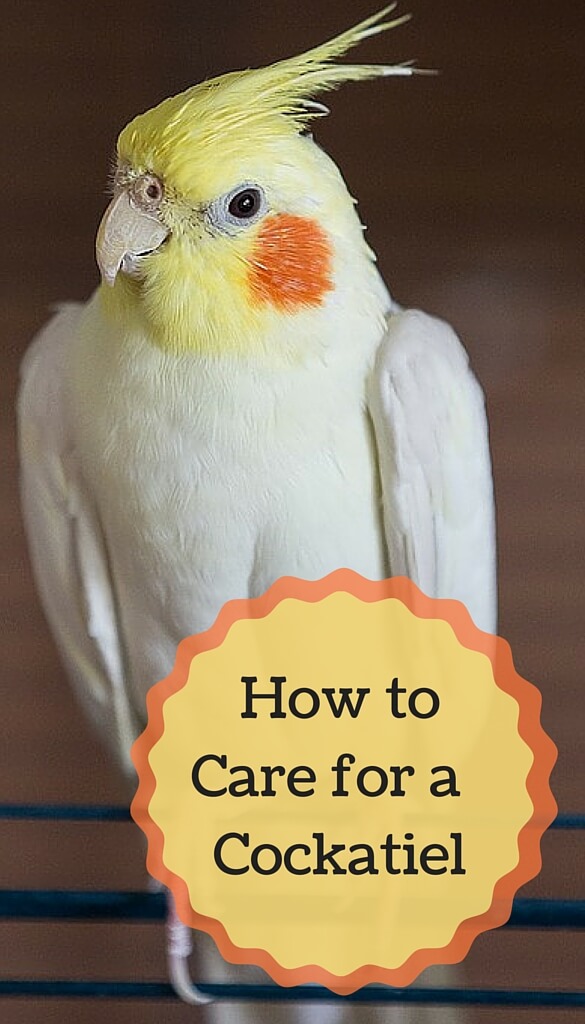
Credit: pbspettravel
Traveling With Your Cockatiel
Traveling with your cockatiel can be a rewarding experience. Whether you are going on a short trip or a long journey, preparation is key. Ensuring your feathered friend is comfortable and safe should be a priority. Here are some practical tips to help you and your cockatiel travel smoothly.
Choosing A Travel Cage
Selecting the right travel cage is essential. The cage should be spacious enough for your cockatiel to move around. Look for a cage with secure latches to prevent escapes. Ensure the cage has a stable base to avoid tipping during travel. A perch inside the cage will help your bird stay comfortable. Choose a travel cage that is easy to carry and fits in your vehicle.
Tips For Safe Travel
Before you travel, get your cockatiel used to the travel cage. Place the cage in a familiar environment for a few days. This helps reduce stress. During the trip, keep the cage away from direct sunlight. Ensure proper ventilation by keeping a window slightly open. Avoid placing the cage in front of air vents. Sudden changes in temperature can be harmful.
For car trips, secure the travel cage with a seatbelt. This prevents it from moving during sudden stops. Make frequent stops to check on your cockatiel. Offer water to keep your bird hydrated. Avoid loud music or sudden noises. These can frighten your cockatiel. Speak to your bird in a calm voice. This reassures them and reduces anxiety.
For air travel, check airline policies on traveling with birds. Ensure you have the necessary paperwork. Place a soft cover over the cage. This helps keep your cockatiel calm during the flight. Carry some of your bird’s favorite toys and treats. These provide comfort and distraction during the journey.
Frequently Asked Questions
How Often Should I Feed My Cockatiel?
You should feed your cockatiel daily. Offer fresh seeds, pellets, and vegetables. Clean their food dish regularly to maintain hygiene.
What Should I Include In A Cockatiel’s Diet?
Include a mix of seeds, pellets, fresh fruits, and vegetables. Avoid avocado and chocolate as they are toxic to cockatiels.
How Can I Keep My Cockatiel Entertained?
Provide toys, perches, and interactive activities. Rotate toys regularly to keep them engaged. Spend quality time with them daily.
How Often Should I Clean A Cockatiel’s Cage?
Clean the cage weekly. Replace the bottom lining, clean perches, and wash food and water dishes daily to maintain cleanliness.
Conclusion
Caring for a cockatiel involves love, attention, and patience. Keep their cage clean. Offer a balanced diet. Provide fresh water daily. Spend quality time with them. Ensure they get enough exercise. Regular vet check-ups are essential. Learn their behavior and body language.
Create a safe environment. Cockatiels thrive on interaction. Proper care leads to a happy, healthy bird. Enjoy your time with your feathered friend!
Wanna teach your cockatiels tricks? View this to learn more!