
To choose a healthy cockatiel, start by observing its behavior and appearance. Look for signs of bright eyes, clean feathers, and active movement.
These indicators often suggest good health and vitality. Cockatiels make wonderful pets, known for their friendly nature and beautiful songs. But finding a healthy one can be a challenge. You want a pet that will thrive and bring joy to your home.
This guide will help you identify key traits of a healthy cockatiel. We will explore what to look for in their physical condition and behavior. Knowing these signs will ensure you pick a bird that will stay happy and healthy. Let’s dive into the essential tips for choosing the right cockatiel for you.
Introduction To Cockatiels
Cockatiels are charming and affectionate birds. They are popular pets due to their friendly nature. Cockatiels can bring joy to any household.
Choosing a healthy cockatiel is essential for a happy experience. Understanding their background and popularity helps in making an informed decision.
Brief History
Cockatiels are native to Australia. They were first discovered in the 18th century. They belong to the parrot family. Their scientific name is Nymphicus hollandicus.
In the wild, cockatiels live in flocks. They inhabit open spaces and woodlands. Their natural diet includes seeds, fruits, and insects. Cockatiels were brought to Europe in the 1800s. They quickly became popular pets.
Popularity As Pets
Cockatiels are loved for their playful and sociable nature. They are relatively easy to care for. They are also smaller than many other parrots.
These birds are known for their whistling abilities. Some can even mimic simple sounds and words. Their gentle temperament makes them suitable for families.
With proper care, a cockatiel can live up to 20 years. They require a balanced diet, regular social interaction, and mental stimulation. A healthy cockatiel can become a beloved family member.
Recognizing Healthy Cockatiels
Choosing a healthy cockatiel is crucial for a happy and long-lasting companionship. This bird’s health can be determined by observing its physical appearance and behavioral traits. Let’s delve into these aspects to ensure you pick a vibrant and lively pet.
Physical Appearance
A healthy cockatiel should have bright, clear eyes. Their feathers should be smooth, clean, and neatly preened. Look for any bald patches or abnormal feather growth. The beak and nails should be smooth and not overgrown. Inspect the vent area for cleanliness, as it should be free from any fecal matter.
Behavioral Traits
Active and alert cockatiels are usually healthy. They should show curiosity and interact with their environment. Listen for cheerful chirping and singing. Avoid birds that sit quietly for long periods or appear lethargic. Healthy birds also have a good appetite and enjoy playing with toys.
Selecting The Right Breeder
When choosing a healthy cockatiel, selecting the right breeder is crucial. A reputable breeder ensures that you get a happy and healthy bird. They follow best practices in caring for and raising cockatiels.
Reputation Check
Start by researching breeders in your area. Look for online reviews and testimonials. Ask for recommendations from other bird owners. Positive feedback indicates a reliable breeder. Visit forums and social media groups. Engage with the community to gather insights. A breeder with a good reputation is often trustworthy.
Breeding Practices
Inquire about the breeder’s practices. Ensure they follow ethical breeding methods. They should avoid overbreeding and inbreeding. Healthy breeding practices lead to healthier birds. Ask about the living conditions of their birds. Clean and spacious environments are crucial. Birds should have access to fresh food and water. Check if the breeder provides veterinary care. Regular check-ups ensure that birds are healthy.
Evaluating Cockatiel Health
Choosing a healthy cockatiel is crucial for a long-lasting companionship. Evaluating a cockatiel’s health involves observing various physical attributes. These attributes include feather condition, eye clarity, and beak integrity. Let’s dive into these aspects.
Feather Condition
Healthy feathers are smooth and vibrant. They should lie flat against the body. Watch for any bald patches or dull feathers. These may indicate health issues or stress. Also, check for signs of feather plucking. This can be a sign of boredom or illness.
Eye And Beak Health
A cockatiel’s eyes should be clear and bright. Cloudiness or discharge can signal infections. Pay attention to the beak as well. It should be smooth and symmetrical. Overgrown or cracked beaks can point to dietary deficiencies. Regular check-ups can help maintain a bird’s eye and beak health.
Assessing Cockatiel Temperament
Understanding cockatiel temperament helps in selecting a healthy bird. Choose a cockatiel with bright eyes and smooth feathers. Notice their behavior; active and friendly birds are often healthier.
Choosing a healthy cockatiel involves more than just physical health. Understanding their temperament is crucial. A cockatiel’s behavior can tell you a lot about its well-being and compatibility with you.
Social Interaction
Observe how the cockatiel interacts with others. A friendly bird will show interest in people. It might chirp or approach the cage bars. Social cockatiels enjoy company. They are often lively and curious.
Pay attention to how it behaves around other birds. A well-socialized cockatiel will get along with its feathered friends. Aggressive or overly timid birds may have socialization issues. A balanced temperament is ideal.
Response To Handling
Handling a cockatiel can reveal much about its temperament. Gently offer your finger to the bird. A healthy and well-adjusted cockatiel will step up without much hesitation.
Notice if it allows you to touch its head or back. Birds comfortable with handling are usually more trusting. They are easier to train and bond with.
Be cautious of birds that bite or scream excessively. These behaviors could indicate stress or fear. A calm response to handling suggests a more adaptable and easy-going pet.
Cockatiel Age Considerations
Choosing a healthy cockatiel involves considering several factors. One key factor is the bird’s age. Age affects a cockatiel’s behavior, health, and lifespan. Understanding age-related considerations helps you make an informed decision.
Young Vs. Adult Birds
Young cockatiels are usually more playful and active. They adapt quickly to new environments and owners. They are also easier to train.
Adult cockatiels may already have established behaviors. They might be calmer and less energetic. Training an adult bird can be more challenging.
| Feature | Young Cockatiels | Adult Cockatiels |
|---|---|---|
| Energy Levels | High | Moderate |
| Adaptability | Quick | Slower |
| Training Ease | Easy | Challenging |
Life Expectancy
Cockatiels have a life expectancy of 15 to 20 years. Some even live up to 25 years with proper care.
Young cockatiels have a full life ahead of them. This makes them a long-term commitment. Adult cockatiels have fewer years left but can still offer many years of companionship.
Consider your own age and lifestyle. Ensure you can care for a cockatiel throughout its life. This is essential for a happy and healthy bird.
Preparing Your Home
Bringing a cockatiel into your home is a joyful experience. To ensure your feathered friend feels safe and comfortable, you must prepare your home properly. This involves setting up a suitable cage and gathering essential supplies. Let’s explore how to create a welcoming environment for your new pet.
Cage Setup
Choose a spacious cage for your cockatiel. Aim for a minimum size of 24x18x24 inches. Ensure the cage bars are horizontal for easy climbing. The bar spacing should be no more than 5/8 inch to prevent escape or injury. Place the cage in a quiet area, away from drafts and direct sunlight. This helps reduce stress and keeps your bird safe.
Include perches of different sizes and materials. This keeps your cockatiel’s feet healthy. Position the perches at varying heights to encourage movement. Add a swing or two for extra fun. Make sure the cage has a secure lock. Cockatiels are clever and can learn to open simple latches.
Essential Supplies
Stock up on basic supplies before bringing your cockatiel home. You’ll need a variety of toys to keep your bird entertained. Rotate toys regularly to prevent boredom. Provide dishes for food and water. Stainless steel or ceramic dishes are best, as they are easy to clean.
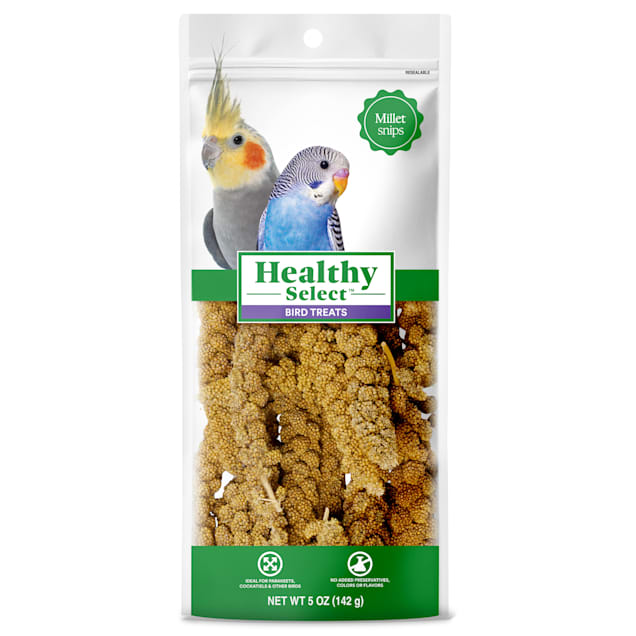
Offer a balanced diet with high-quality bird seed, pellets, and fresh fruits and vegetables. Avoid foods that are toxic to birds, like avocado and chocolate. A cuttlebone or mineral block is essential for calcium intake. This helps keep your cockatiel’s beak healthy. Lastly, consider a bird bath or misting bottle for bathing. Clean feathers are important for your cockatiel’s health.
Credit: Petco
Ongoing Care Tips
Ensuring the ongoing health and happiness of your cockatiel is crucial. This involves consistent attention to its diet, regular vet visits, and understanding its needs. Below are some essential care tips to help you provide the best care for your feathered friend.
Diet And Nutrition
Providing a balanced diet is key to your cockatiel’s health. Offer a mix of seeds, pellets, fresh fruits, and vegetables. Avoid feeding your bird only seeds. Seeds alone lack essential nutrients. Fresh fruits like apples and berries are great. Vegetables such as spinach and carrots are also good. Ensure fresh water is always available.
Regular Vet Visits
Regular vet visits are important for monitoring your bird’s health. Schedule check-ups at least once a year. Look out for signs of illness. Common signs include lethargy, weight loss, or changes in droppings. A vet can provide vaccinations and other preventive care. They can also guide you on proper care routines.

Credit: www.wikihow.com
Frequently Asked Questions
What Are Signs Of A Healthy Cockatiel?
A healthy cockatiel has clear eyes, smooth feathers, and active behavior. It eats and drinks regularly and maintains a healthy weight. Its droppings should be consistent in texture and color.
How Can I Check My Cockatiel’s Health?
Observe its behavior, eating habits, and physical appearance. Look for clear eyes, smooth feathers, and regular droppings. Regular vet check-ups are essential.
What Should A Cockatiel’s Diet Include?
A balanced diet includes pellets, fresh fruits, vegetables, and seeds. Avoid feeding it chocolate, caffeine, and alcohol. Fresh water should always be available.
How Often Should I Take My Cockatiel To The Vet?
Regular vet visits every 6-12 months are recommended. Immediate visits are necessary if there are signs of illness or unusual behavior.
Conclusion
Choosing a healthy cockatiel is crucial for a happy pet experience. Focus on clear eyes and active behavior. A healthy bird has smooth feathers and eats well. Consult a vet for a checkup. Proper care ensures your cockatiel thrives. Enjoy the joy a healthy cockatiel brings to your home.