
Male and female cockatiels have unique traits. Knowing these can help you better understand and care for your bird.
Comparing male and female cockatiels can be quite helpful for bird owners. It aids in understanding their behavior, health needs, and even their vocal skills. This comparison can guide you in choosing the right pet based on your preferences and lifestyle.
Whether you’re a new bird owner or an experienced one, knowing the differences between male and female cockatiels can enhance your bond with these charming creatures. This post dives into the key differences, making it easier for you to decide which is the better fit for your home. Let’s explore these fascinating birds together!
Credit: youtube
Introduction To Cockatiels
Cockatiels are popular pet birds, known for their friendly nature and charming personalities. These small parrots, native to Australia, have captured the hearts of bird lovers worldwide. Understanding the differences between male and female cockatiels can help you provide the best care for your feathered friend.
Overview Of Cockatiels
Cockatiels belong to the cockatoo family and are the smallest members of this group. They are easily recognizable by their distinctive crests and bright orange cheek patches. These birds come in various colors, including grey, white, and yellow. Cockatiels are known for their ability to mimic sounds and whistles, making them delightful companions.
Here’s a quick overview of their characteristics:
| Feature | Details |
|---|---|
| Size | About 12-14 inches from head to tail |
| Lifespan | 15-20 years with proper care |
| Diet | Seeds, pellets, fruits, and vegetables |
Popularity As Pets
Cockatiels are incredibly popular pets due to their friendly and social nature. They enjoy interacting with their owners and can even learn simple tricks. Their relatively small size and low maintenance needs make them suitable for various households. Cockatiels thrive on attention and can form strong bonds with their human companions.
Here are some reasons why cockatiels are loved as pets:
- Affectionate and social
- Easy to train
- Low maintenance compared to larger parrots
- Adaptable to different living situations
Whether you choose a male or female cockatiel, these birds bring joy and companionship into any home. Understanding their unique traits helps in making an informed decision and ensuring a happy, healthy life for your pet.

Credit: Reddit
Physical Differences
Cockatiels are popular pet birds known for their friendly nature and playful behavior. Males and females have distinct physical differences. These differences help bird owners identify their cockatiel’s gender.
Understanding these differences can enhance your bond with your feathered friend. Let’s explore the key physical traits that set male and female cockatiels apart.
Color Variations
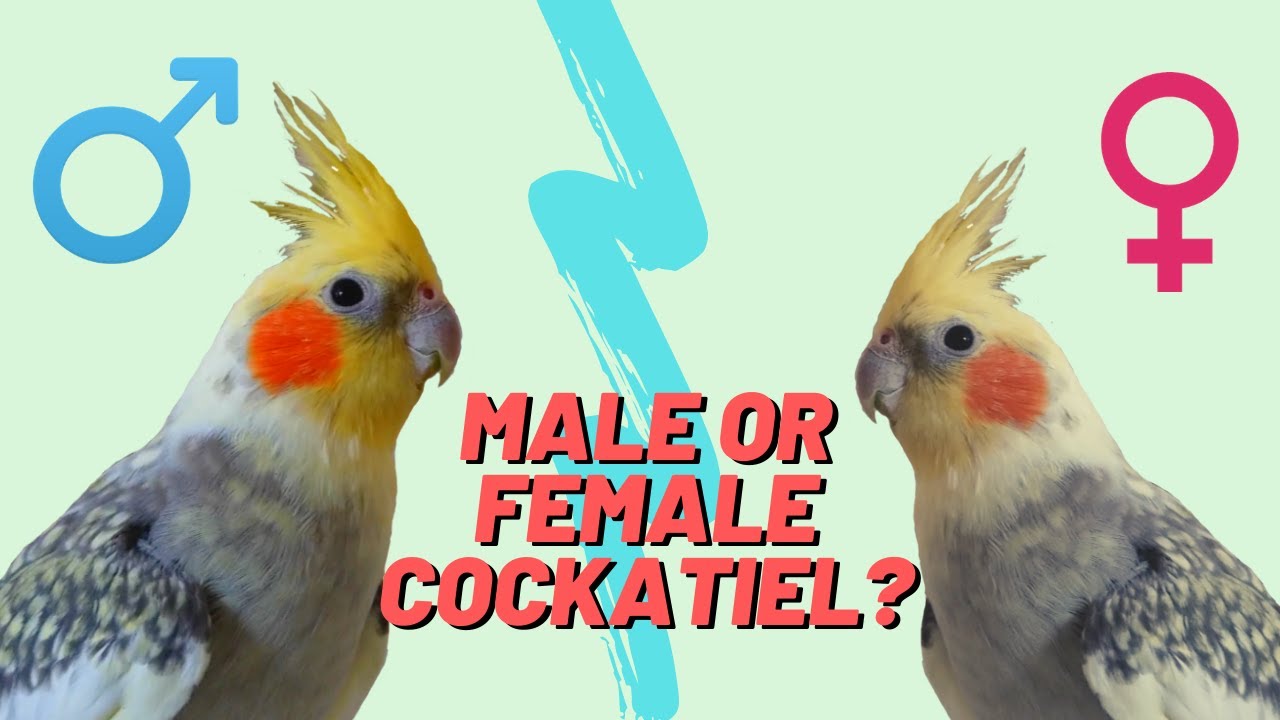
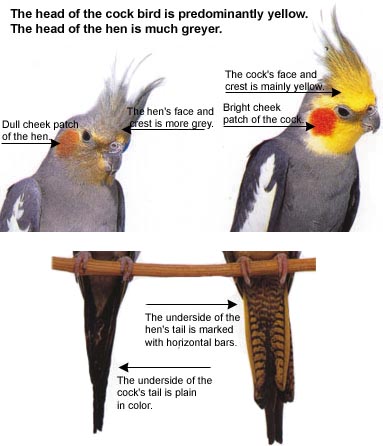
Male cockatiels usually have brighter colors. They often display vibrant yellow faces and orange cheek patches. Females, on the other hand, have duller colors. Their faces are generally gray or brown with less prominent cheek patches.
The tail feathers also show differences. Males have solid-colored tail feathers, while females have barring or spots underneath their tails. These color variations are the most noticeable physical trait.
Size And Build
Male cockatiels are often slightly larger than females. They have a more robust build with broader heads and thicker necks. Females are smaller with a more delicate appearance.
The differences in size and build are subtle. They are easier to spot when comparing birds side by side. Observing these traits can help determine your cockatiel’s gender.
Behavioral Traits
Cockatiels are delightful pets, known for their engaging personalities. Understanding the behavioral traits of male and female cockatiels can help in providing better care. Their behaviors vary in significant ways, making each gender unique in its own right.
Vocalization Patterns
Male and female cockatiels have distinct vocalization patterns. Males are typically more vocal. They love to whistle and mimic sounds. Males often sing in a variety of tones, especially during mating season.
Females, on the other hand, are generally quieter. They may chirp occasionally but do not whistle as much. Female cockatiels prefer a more subtle communication style.
Social Interactions
Social interactions also differ between male and female cockatiels. Males tend to be more outgoing. They enjoy interacting with their owners and other birds. Males often show off by performing playful antics.
Females are usually more reserved. They might take longer to bond with their owners. Once comfortable, they can be very affectionate, though in a quieter manner.
Understanding these behavioral traits can greatly enhance the bonding experience with your cockatiel. Recognizing the differences helps in creating a nurturing environment for your feathered friend.
Health And Lifespan
Cockatiels are delightful pets, and their health and lifespan are important. Understanding the differences between male and female cockatiels can help ensure they live long, happy lives.
Common Health Issues
Both male and female cockatiels can face health issues. Some are more common in one gender than the other.
- Respiratory Infections: Both genders are prone to these.
- Feather Plucking: Males may exhibit this more due to stress.
- Egg Binding: A significant concern for females. This happens when a female cannot lay an egg.
- Liver Disease: Common in both, usually due to a poor diet.
Average Lifespan
The average lifespan of cockatiels varies. Proper care and attention can make a big difference.
| Gender | Average Lifespan |
|---|---|
| Male | 15-20 years |
| Female | 10-15 years |
Female cockatiels may live shorter lives due to egg-laying. This process can be stressful and cause health issues. Males often live longer, especially with good care.
Regular check-ups with an avian vet can help. Proper diet, exercise, and mental stimulation are key. Ensure their environment is clean and safe.
Dietary Needs
Cockatiels, like many birds, have specific dietary needs. Whether male or female, ensuring they receive a balanced diet is crucial for their health and well-being. Proper nutrition helps them maintain strong feathers, vibrant colors, and overall vitality. Understanding the differences in dietary needs can help you provide the best care for your feathered friends.
Recommended Diet
A balanced diet for cockatiels includes a variety of foods. Here’s a breakdown of what to feed them:
- Seeds: A mix of seeds is a staple but should not be the only food. A seed-only diet can lead to deficiencies.
- Pellets: Provide commercial pellets formulated for cockatiels. These pellets are designed to offer complete nutrition.
- Fresh Fruits and Vegetables: Include chopped fruits and vegetables in their diet. Apples, carrots, and spinach are excellent choices.
- Grains: Offer grains like cooked rice, quinoa, and oats. These add variety and essential nutrients.
- Protein: Occasionally, include protein sources like boiled eggs or small pieces of cooked chicken.
Foods To Avoid
Some foods can be harmful to cockatiels. Avoid these to keep your birds healthy:
- Avocado: This fruit is toxic to birds and should never be fed.
- Chocolate: Contains theobromine, which is harmful to birds.
- Caffeine: Coffee, tea, and sodas are dangerous for cockatiels.
- Alcohol: Even small amounts can be fatal to birds.
- Onion and Garlic: These can cause digestive issues and toxicity in birds.
- High-fat and High-sugar Foods: Avoid junk food, sweets, and fatty snacks.
Ensuring a proper diet is key to your cockatiel’s health. By providing a variety of safe, nutritious foods, you can help your feathered friend thrive.
Credit: talkcockatiels
Grooming And Maintenance
When caring for cockatiels, understanding their grooming and maintenance needs is essential. Both male and female cockatiels require regular attention to stay healthy and happy. This section provides insights into the specific grooming tasks needed for both genders.
Feather Care
Feathers are vital for a cockatiel’s health. Regular feather care helps them stay clean and free from parasites. Both males and females preen their feathers daily, but they still need human assistance.
- Bathing: Provide a shallow dish of lukewarm water for your cockatiel. Allow them to bathe themselves. Alternatively, use a misting spray bottle with water.
- Molting: Cockatiels molt once or twice a year. During molting, they shed old feathers and grow new ones. Offer a balanced diet and extra calcium to support feather growth.
- Checking for parasites: Regularly inspect your cockatiel’s feathers for mites or lice. Use avian-safe treatments if needed.
Nail And Beak Trimming
Nails and beak trimming are crucial for your cockatiel’s well-being. Overgrown nails and beak can cause discomfort and health issues.
- Nail trimming: Use bird-safe nail clippers. Trim the nails carefully to avoid cutting the quick. If unsure, seek a vet’s help.
- Beak trimming: A healthy beak is smooth and sharp. Provide cuttlebone or mineral blocks to help maintain beak shape. If the beak overgrows, a vet should trim it.
Keeping your cockatiel’s nails and beak in good condition is essential. It ensures they can eat and perch comfortably.
Training And Socialization
Training and socializing your cockatiel is important for their overall well-being. Both male and female cockatiels can be trained. Both can also become great companions. While there are some differences, the basics remain the same. Let’s explore some training tips and ways to encourage social behavior.
Basic Training Tips
Training your cockatiel can be a rewarding experience. Here are some basic tips to get started:
- Consistency: Train at the same time each day.
- Positive Reinforcement: Use treats to reward good behavior.
- Short Sessions: Keep training sessions under 15 minutes.
- Patience: Be patient and calm. Cockatiels learn at their own pace.
For male cockatiels, singing can be a great training tool. Males often sing more than females. Use this to your advantage. Encourage them to sing on command.
Female cockatiels may be quieter. Focus on other tricks. For example, teaching them to step up or wave.
Encouraging Social Behavior
Socializing your cockatiel is crucial. It helps them feel secure and happy. Here are some ways to encourage social behavior:
- Daily Interaction: Spend time with your cockatiel every day.
- Gentle Handling: Handle them gently to build trust.
- Playtime: Use toys to make interactions fun.
- Voice Training: Talk to them softly and regularly.
Male cockatiels may be more vocal. They enjoy mimicking sounds. Engage them with sounds and words. Female cockatiels might prefer physical interaction. Focus on gentle petting and handling.
Both male and female cockatiels benefit from a mix of activities. Keep interactions varied to maintain their interest.
Housing Requirements
Creating a comfortable home for your cockatiel is crucial. Both male and female cockatiels have similar needs. But, there are some differences. This section will guide you through the essentials.
Cage Size And Setup
Male and female cockatiels need spacious cages. The cage should be at least 24 inches wide, 24 inches deep, and 30 inches high. A larger cage is always better.
Ensure the cage bars are no more than 1/2 inch apart. This prevents escapes and injuries. Place perches at different heights. Cockatiels love to hop and climb. Use natural wood perches if possible.
Include a food and water dish. Position them away from perches to avoid contamination. Clean the cage regularly. This keeps your pet healthy and happy.
Toys And Enrichment
Both male and female cockatiels need mental stimulation. Provide a variety of toys. Chew toys, mirrors, and bells are favorites. Rotate toys often to keep them interested.
Include foraging opportunities. Hide treats in toys or use foraging boxes. This encourages natural behaviors. It also keeps them engaged.
Offer safe, non-toxic branches for chewing. Fresh branches from fruit trees work well. Always ensure they are pesticide-free.
| Item | Male Cockatiel | Female Cockatiel |
|---|---|---|
| Ideal Cage Size | 24″ x 24″ x 30″ (minimum) | 24″ x 24″ x 30″ (minimum) |
| Toys | Chew toys, mirrors, bells | Chew toys, mirrors, bells |
| Enrichment | Foraging boxes, fresh branches | Foraging boxes, fresh branches |
Frequently Asked Questions
How Can You Tell A Male From A Female Cockatiel?
Male cockatiels typically have brighter cheek patches and more vivid plumage. Females often have duller colors and barred tail feathers.
Do Male And Female Cockatiels Sing Differently?
Yes, male cockatiels are known for their singing and whistling. Females are generally quieter with fewer vocalizations.
Are Male Cockatiels More Affectionate Than Females?
Male cockatiels tend to be more outgoing and social. Females can be affectionate but are often more reserved.
Which Is Easier To Train, Male Or Female Cockatiels?
Male cockatiels are generally easier to train due to their playful and curious nature. Females can be trained but may require more patience.
Conclusion
Choosing between a male or female cockatiel depends on your preference. Males often sing more, while females are quieter. Consider their personalities and behaviors. Both can be loving and social pets. Ensure proper care and attention for a happy bird.
Observe their traits to make the best choice for your home. Both genders can bring joy and companionship. Make an informed decision for a delightful pet experience. Happy bird-keeping!
Learn more about Cockatiels personality here.